We explain what breathing is and why we breathe. Also, what the breathing process is like and what happens to the cells when they breathe.
What is breathing?
Breathing is a biological process of living beings whose objective is to keep your body active (therefore, alive) through the exchange of carbon dioxide for oxygen.
Breathing is commonly known as the process by which we inhale air but that is only the manifestation of the respiratory system whose process is even more complex, where the true beneficiaries are the cells of the organisms, in the so-called cellular respiration.
In order for aerobic living beings to maintain their active vital functions, they need this process that consists of oxygen consumption and the expulsion of carbon dioxide (CO2) . Depending on the species and the place where they live, they can acquire this vital element (O) through air or water, through the pulmonary, gill, cutaneous or tracheal system.
After the oxygen has served its purpose within the system, what is returned to the environment, as waste, is carbon dioxide. Another element that is vital for other organisms such as plants. hence we are constantly in an exchange in the ecosystem .
Why do we breathe?
As we noted previously, this process is essential to keep aerobic species alive and this is achieved by maintaining the body's metabolism.
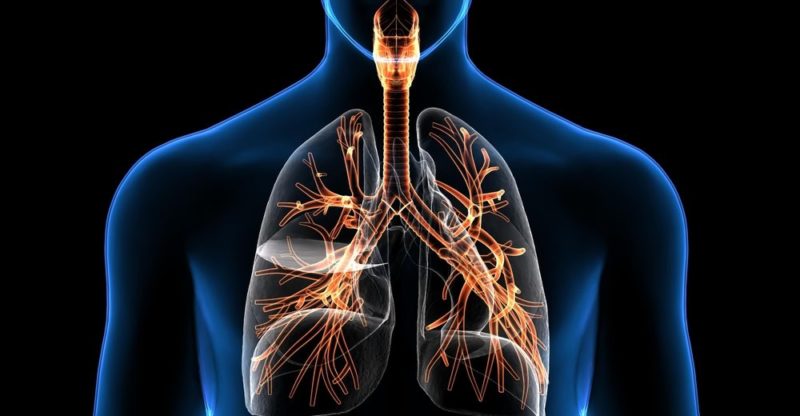
From the nose to the lungs and in general, all the organs that make up the respiratory system are responsible for capturing oxygen and bringing it to the body. This will allow, for example, oxygenate the blood or synthesize sugars for energy . All cellular tissues require oxygen to carry out their functions.
Breathing process
The breathing process has three rhythms, which are mentioned below, but in terms of the biomechanics of oxygenation there are only two, inspiration and expiration.
- Inspiration. Also known as inhalation. It is the moment where air is brought from the outside to the inside of the body, through the nose, oral cavity, trachea, larynx and pharynx. What happens here is that the rib cage expands and in turn the diaphragm descends, creating enough space for the lungs to fill with air. Variations between the following pressures play an important role here: pleural, alveolar and transpulmonary.Pause Instant that the air remains inside.Expiration. Or also called exhalation. It is the process of expulsion of air and its waste (or what is not required in the body such as carbon dioxide), where the diaphragm and ribs return to their place, the muscles that retracted during inspiration relax, causing them to the air is expelled from the lungs.
What happens to cells when we breathe?
The process by which cells, and therefore tissues, capture oxygen brought to the body is called tissue respiration, where blood delivers O across the cell membrane and the CO2 is returned, as well as water vapor.
This exchange happens when cells are surrounded by oxygenated blood . This process occurs every time you breathe in and out. Around 80% of oxygen is consumed in tissue respiration, which is where most energy is used throughout life.