
We explain what the endocrine system is and its main functions. Also, the glands that make it up and possible diseases.
What is the endocrine system?
It is known as endocrine system or system of internal secretion glands to the set of tissues and organs of the human body (and other higher animals) responsible for the generation and distribution through the bloodstream of substances intended for the regulation of certain functions of the organism, known as hormones.
Similar to the nervous system, the endocrine system operates based on remote impulses, but instead of being nervous (electrical), they are chemical. These chemical signals are hormones, responsible for activating, regulating or inhibiting certain actions and processes in the body, such as growth, tissue production, metabolism or the development and functioning of reproductive organs, among others.
This hormonal system It is made up of internal organs known as glands or endocrine organs which generate their hormones and substances and release them in the body, either locally (such as the skin glands) or internally (through the blood system). This includes organs such as the thymus or pancreas, or smaller structures such as the pituitary gland located in the brain.
Besides, This system is related to the nervous and digestive systems among others, thus constituting a complex response network of the organism, which, for example, in situations of stress, erotic or rest, generates various hormones to enhance the capabilities of the human body.
Endocrine system function
As said before, The primary function of this system is the regulation of the complex biochemical processes of the body either in the face of a certain external stimulus, or simply as part of life. This affects, for example, growth, development and sexual behavior, digestion, sleep and other vitally important areas.
In general terms, the hormones released by the endocrine system can have functions of the following type:
- Stimulants They activate or initiate biochemical cycles, or stimulate certain behaviors in the body's tissues. For example, the hormone prolactin induces milk production in maternal breasts.
- Inhibitors. They play the opposite role: they inhibit, stop, decrease the production of some substance or a certain behavior of the body tissue. For example: the hormone somatostatin It inhibits the production of more growth hormones in the body, thereby stopping body growth.
- Antagonists. They regulate a body process based on stimulating or inhibiting it, or producing opposite but simultaneous effects. For example, hormones insulin and glucagon They regulate sugar metabolism, acting at the same time to increase or decrease its levels.
- Synergistic. Sometimes the joint presence of two hormones increases the effect of the first, that is, they enhance each other to achieve more intense effects. For example: hormones hGH and T3/T4 produced by the thyroid gland.
- Tropics. They allow the alteration or control of other endocrine tissues, serving as a chemical messenger in the body. For example: the hormone gonadotropin It triggers ovulation in women and spermatogenesis in men, when they are ready to start reproducing.
Glands of the endocrine system
The endocrine system is made up of many endocrine glands and organs. The main ones are the following:
- Pineal gland. Also called epiphysis or conarium, it is at the base of the brain next to the insertion of the spinal cord, and is common to all vertebrates. It produces hormones responsible for sleep and circadian rhythms.
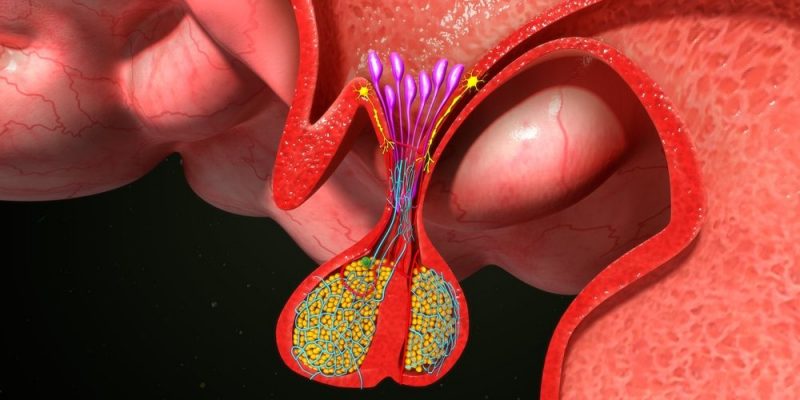
- Pituitary gland. Also known as the pituitary gland, it is responsible for secreting hormones necessary to regulate homeostasis, including tropic hormones that regulate other endocrine tissues. It is located at the base of the skull, in a bony saddle of the sphenoid bone.
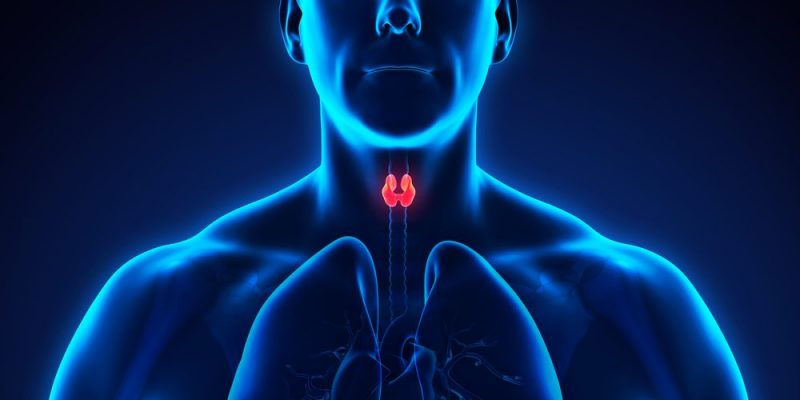
- Thyroid gland. Located just below the Adam's apple, in the throat and above the trachea, it is responsible for regulating metabolism and adjusting the body's sensitivity to other hormones.
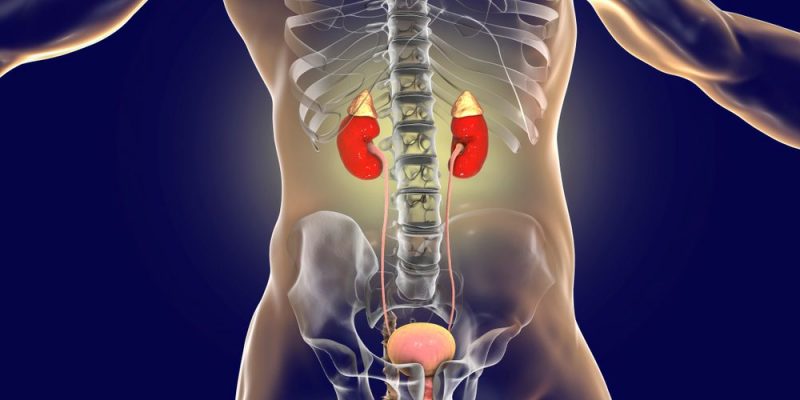
- Adrenal glands. Pyramidal in shape, it is found in pairs on the kidneys, and is responsible for regulating responses to stress, secreting hormones such as cortisol and adrenaline, which physically prepare the body for a dangerous situation.
- Timo. This is a lymphoid (immune system) organ located in the torso, in front of the heart and behind the breastbone.
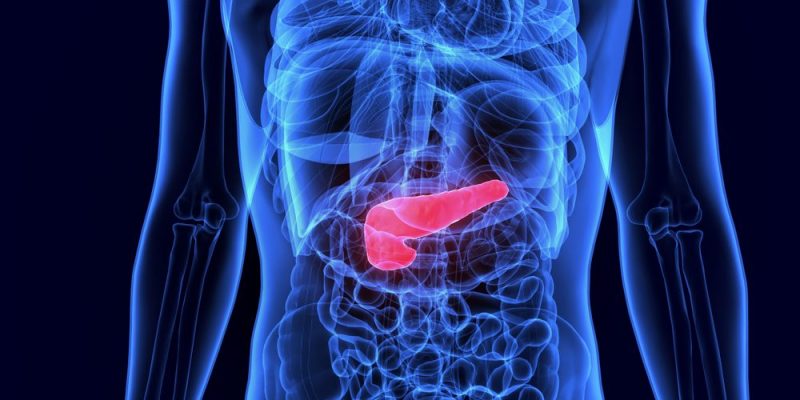
- Pancreas. A major organ, located in the abdomen, secretes digestive enzymes to contribute to the absorption of nutrients, and also hormones that regulate sugar metabolism (insulin and glucagon).
- Sexual glands Ovaries and testicles, for women and men respectively, are the organs where reproductive cells and hormones are generated that prepare sexual maturation during puberty.
- External glands Those located in the skin are responsible for lubricating it and keeping it fresh, also releasing hormones that fulfill social and protective roles for the epidermis.
Diseases of the endocrine system
The endocrine system can suffer from different disorders, which cause it to malfunction. They generally consist of overproduction or underproduction of hormones. Some examples are:
- Diabetes mellitus Disease that consists of underproduction of insulin (or production of poor quality hormone) that is unable to regulate blood sugar level.
- Hyperthyroidism The thyroid produces too many hormones and speeds up the metabolism too much.
- Hypothyroidism. The thyroid secretes very few hormones and slows down the metabolism too much.
- Crushing disease The adrenal glands secrete a dangerous excess of hormones.


