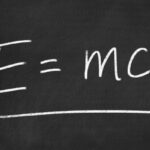
We explain what energy is, what are the different types that we can find and some examples of each type.
What is energy?
Energy is the capacity of a force to generate an action or work . The term comes from the Greek word energeticwhich means “activity”, and is used in various areas of knowledge such as physics and chemistry. Any force that does work on an object will cause a change of energy in it.
There is a fundamental principle in physics known as the principle of conservation of energy, which states that Energy cannot be created or destroyed but can only be transformed . For example, an object that falls from a certain height with an initial velocity equal to zero transforms all of its gravitational potential energy into kinetic energy as it gains speed as it approaches the ground. The principle of conservation of energy governs absolutely all physical phenomena, from the fall of an object to the formation of a star.
Energy can also be stored to be used when required . For example, cells or batteries are elements that store chemical energy and transform it into electrical energy. Even living beings store energy through what we know as “fat” (lipids) or sugars. Through various processes, the body transforms the chemical energy of these substances into other types, such as the caloric energy necessary to maintain body temperature.
- See also: Geothermal energy
Types of energy
There are various forms of energy, of which we can highlight the following:
- Kinetic energy . It is the energy possessed by bodies that are in motion, that have a speed. If an object is empty, its kinetic energy is zero.
- Potential energy . It is the energy contained in a physical system or in an object and that can then be transformed into other forms of energy (such as kinetic, caloric, etc.). It is “potential” energy.
- Electrical energy . It is the energy that exists in the presence of electrically charged particles. The most common type of particle is the electron, which produces an electrical potential around it. When other electrons move through this potential, they gain electrical energy. What we know as an electric current is a large number of electrons moving across a potential difference.
- Magnetic energy . It is the energy generated by electric currents and magnetized materials (magnets).
- wind energy . It is the energy produced by the push of the wind.
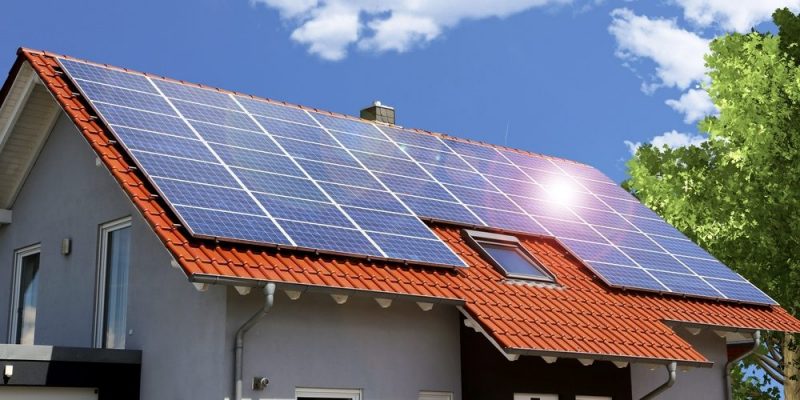
- Solar energy . It is the energy that the Sun emits in the form of heat and light radiation through space towards the planets of the Solar System.
- Atomic or nuclear energy . It is the energy that comes from the forces that hold subatomic particles together: the strong and weak nuclear forces. This is also the name given to the electrical energy obtained from the heat released by fusion or atomic fission reactions in a nuclear power plant.
- chemical energy . It is the energy that intervenes in atomic unions and reactions at the molecular level, essential for life, since it keeps the metabolism of living beings going.
- Heat or thermal energy . It is the energy that occurs with energy transfers caused by temperature differences. Temperature, in turn, is a measure of the kinetic energy of the molecules that make up a body.
- Hydropower . It is the energy obtained from the movement of large masses of water, such as rivers, tides or waterfalls. Electric dams run on hydraulic power.
- light energy . It is the electromagnetic energy produced by electromagnetic waves in the visible range (i.e., light).
- sound energy . It is the energy produced by sound waves.
Examples of energy
The presence of energy is easily verifiable in everyday examples:
- Electrical energy . An electrical discharge occurs when lightning strikes the ground, emitting radiation visible to the naked eye and leaving the ground scorched.
- Kinetic energy . When we are in a moving car and the driver suddenly applies the brakes, we can feel the push of the kinetic energy that we had in our body. A car with a mass m that moves at 90 km per hour has a kinetic energy that is very easy to calculate: Ec: ½*m*v2
- Solar energy . Plants convert solar energy into chemical energy through photosynthesis.
- heat energy . By placing our hands close to a heater, we will feel the hot air on the skin.
- Magnetic energy . The magnets stick to the door of our refrigerator.