We explain what acid rain is and the causes of this environmental phenomenon. Also, its effects and how it would be possible to stop it.

What is acid rain?
It is known as acid rain harmful environmental phenomenon which occurs when, instead of water, various forms of organic acids are precipitated from the atmosphere, a product of the chemical reaction between some types of gaseous oxides present in it and the water vapor condensed in the clouds. These organic oxides represent an important source of atmospheric pollution.
Acid rain is usually not strictly acid, but rather various dilutions in water of carbonic acid, nitric acid, sulfuric acid or sulfurous acid depending on the pollutants that are abundant in a region, given that the winds can move these gases over kilometers of distance. This chemical reaction usually occurs in the following way, for example:
SO2 (gaseous sulfur dioxide) + OH (hydroxyl present in the atmosphere) = HOSO2, which in turn reacts with ambient oxygen: HOSO2 + O2 = H2O (water) + SO3 (sulfur trioxide), and this last compound, highly polluting, it reacts with water to produce H2SO4 (sulfuric acid).
The result of this mixture is usually around pH levels of 3 (similar to vinegar), which is much more acidic than the normal rainfall of 5.65 (due to the regular presence of atmospheric CO2 that gives rise to minimal amounts of carbonic acid).
Furthermore, this type of precipitation is usually affected by temperatures and climate, It can occur in the form of dew, fog, hail, drizzle or even snow . In any case, their presence in various ecosystems is usually harmful, since they alter the chemical balance of the land and water and deteriorate life.
Causes of acid rain
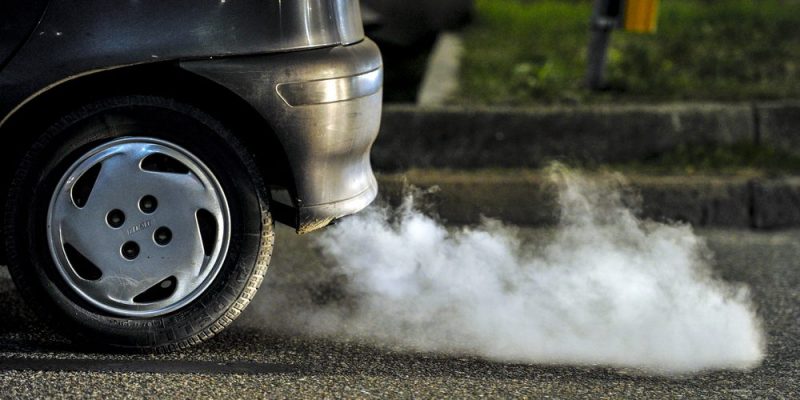
As we have seen, the main direct cause of acid rain is presence in the atmosphere of various polluting organic substances such as sulfur and nitrogen oxides, which are usually frequent byproducts of various human and industrial processes such as:
- Combustion of fossil fuels Typical of automobiles and vehicles that consume hydrocarbons such as coal, or petroleum derivatives.
- Industrial boilers Such as those present in power generation plants (especially coal), factories, metallurgical plants and other industrial plants.
- Heating Many heating appliances release these types of gases into the atmosphere during operation.
Effects of acid rain
Acid rain has various environmental effects, ranging from the gradual deterioration of plant life, whose leaves cannot withstand the acidity of dew or rain, to the acidification of large bodies of water such as rivers or lakes which often makes them uninhabitable by weaker life forms, causing chemical and trophic imbalances that can lead to extinctions or overpopulations.
Another known effect in this sense is the deterioration of soils, since acid molecules provide protons to the soil (H+), forcing the production of certain ions (cations of iron, calcium, aluminum, zinc or lead) and impoverishing the chemistry of the soil, which becomes less fertile and less suitable for cultivation.
In addition, acid rain is corrosive, which is why it damages buildings and deteriorates materials, dissolving the marble or limestone of statues, churches and period buildings .
How to stop acid rain?

Measures to prevent the formation of acid rain always involve greater awareness of the polluting effects of the industrial world and therefore effective control measures on the gases we put into the atmosphere. Some common measures are:
- Reduce the sulfur in fossil fuels and force drivers to use catalytic converters in their vehicles (public and private).
- Migrate towards green technologies, or at least safer ones for the environment, especially in terms of obtaining electrical energy.
- Add alkaline compounds to lakes and rivers to neutralize the pH when the presence of acid rain is detected.
- Ensure an industrial model that controls the emission of sulfur or nitrogen oxide gases, or in any case offer alternatives for neutralizing said gases before they are discharged into the atmosphere.
- Promote public transportation and eco-healthy alternatives to the use of motor vehicles.