Every time you exhale, you’re releasing a gas that’s simultaneously essential for life on Earth and, paradoxically, one of the biggest threats to our planet’s future. You can’t see it, smell it, or taste it, yet carbon dioxide shapes everything from the air we breathe to the climate patterns that determine where we can live, what we can grow, and how ecosystems function. Plants desperately need it to survive. Your soda fizzes with it. Fire extinguishers deploy it. And right now, human civilization is producing so much of it that we’re fundamentally altering Earth’s climate in ways that will affect humanity for centuries. Understanding carbon dioxide—what it is, how it works, and why it matters—isn’t just academic curiosity. It’s essential knowledge for anyone who wants to understand the most pressing environmental challenge of our time and the delicate balance that makes life on this planet possible.
What Is Carbon Dioxide?
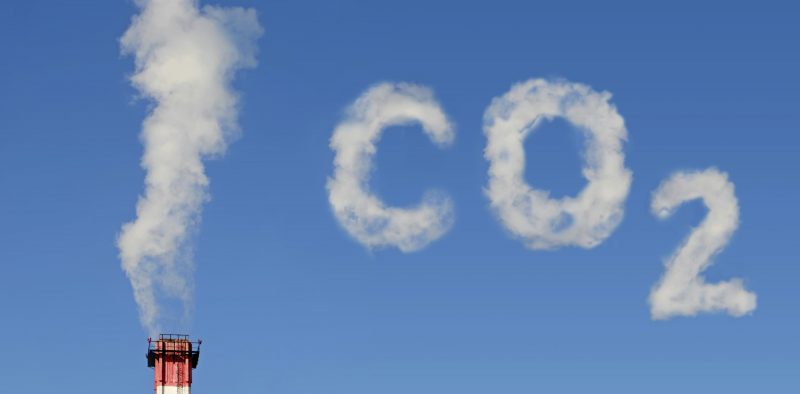
Carbon dioxide, commonly called CO₂ (its chemical formula), is a colorless, odorless gas whose molecules consist of one carbon atom bonded to two oxygen atoms. These atoms are held together by covalent double bonds, creating a linear molecular structure that gives CO₂ its distinctive physical and chemical properties.
At normal atmospheric pressure and temperature, carbon dioxide exists as a gas. It’s denser than air, which is why it sinks to lower elevations and can accumulate in confined spaces—a potentially dangerous characteristic in poorly ventilated areas. Despite being invisible, CO₂ makes up approximately 0.04% (or about 420 parts per million as of 2024) of Earth’s atmosphere, a small percentage that nonetheless plays an outsized role in planetary processes.
Carbon dioxide is remarkably versatile in its physical states. Under normal atmospheric conditions it’s gaseous, but increase the pressure sufficiently and CO₂ can be liquefied without ever becoming a visible liquid at room temperature—it goes directly from gas to solid in a process called deposition. This solid form is called dry ice, which sublimates (transforms directly from solid to gas) at -78.5°C (-109.3°F) without passing through a liquid phase at normal atmospheric pressure. This property makes dry ice incredibly useful for refrigeration and creating special effects like artificial fog.
Water can dissolve significant amounts of CO₂, forming weak carbonic acid (H₂CO₃). This is what gives carbonated beverages their fizz and slight acidity, and it’s also a crucial process in ocean chemistry that affects marine life and global carbon cycling.
The Chemistry of CO₂
Chemically, carbon dioxide is relatively stable under normal conditions, which is both blessing and curse. It doesn’t spontaneously combust or explode, making it safe to handle in most contexts and useful as a fire suppressant. But this stability also means once CO₂ enters the atmosphere, it persists for a long time—typically 300 to 1,000 years before natural processes remove it, which is why cumulative emissions over decades create long-lasting climate impacts.
CO₂ is produced through several natural and artificial processes:
Combustion: When carbon-containing materials burn in the presence of oxygen, they produce CO₂. This includes everything from burning wood in a campfire to burning gasoline in your car to burning coal in power plants. The chemical reaction is straightforward: carbon plus oxygen yields carbon dioxide plus energy (heat and light).
Respiration: All aerobic organisms—animals, plants (at night), fungi, most bacteria—produce CO₂ as a byproduct of cellular respiration, the process by which cells break down glucose to produce energy. You’re producing CO₂ right now as you read this, exhaling it with every breath.
Decomposition: When organic matter decays, microorganisms break it down, releasing CO₂ in the process. This is why compost heaps produce carbon dioxide, and why soil rich in decomposing organic matter releases CO₂.
Fermentation: Yeasts and certain bacteria produce CO₂ during fermentation, which is how bread rises (yeast produces CO₂ bubbles) and how beer and champagne become carbonated naturally.
Geological processes: Volcanic eruptions release enormous quantities of CO₂ stored in Earth’s mantle. Hot springs often bubble with CO₂. Carbonate rocks (like limestone) release CO₂ when they dissolve in acidic water or when they’re heated (as happens in cement production).
Where CO₂ Is Found
Carbon dioxide exists throughout Earth’s environment:
Atmosphere: The highest concentration is in the air we breathe, where CO₂ makes up about 0.04% by volume. This might sound tiny, but it amounts to approximately 3.2 trillion tons of carbon in the atmosphere, and it’s enough to significantly affect climate.
Oceans: Seawater dissolves enormous amounts of CO₂—the oceans contain about 50 times more carbon than the atmosphere, mostly as dissolved CO₂, carbonic acid, bicarbonate ions, and carbonate ions. Oceans are both a huge carbon reservoir and a critical regulator of atmospheric CO₂ levels.
Soil and rocks: Soil contains organic carbon from decomposing plant and animal matter, and inorganic carbon in minerals. Carbonate rocks like limestone and dolomite represent vast stores of carbon locked away over millions of years.
Living organisms: All organic compounds in living things contain carbon, much of which came originally from atmospheric CO₂ incorporated through photosynthesis.
Fossil fuels: Coal, oil, and natural gas are ancient organic matter—fossilized plants and microorganisms—that stored carbon from CO₂ millions of years ago. When we burn these fuels, we’re releasing carbon that had been locked away for geological timescales.
Interestingly, CO₂ isn’t unique to Earth. The atmospheres of Venus and Mars are approximately 95% carbon dioxide, creating very different planetary environments. Venus’s thick CO₂ atmosphere creates a runaway greenhouse effect with surface temperatures hot enough to melt lead. Mars’s thin CO₂ atmosphere provides little greenhouse warming, contributing to its frigid surface temperatures. Earth occupies a Goldilocks zone with just enough CO₂ to keep the planet comfortably warm for life but not so much as to create a hellish hothouse.
Why Carbon Dioxide Is Essential for Life
Despite current concerns about excess CO₂ and climate change, it’s crucial to understand that carbon dioxide is absolutely essential for life as we know it. Without it, Earth would be a frozen, lifeless rock. With too much, we face serious problems. The key is balance.
Photosynthesis: The Foundation of Most Life
The most important biological role of CO₂ is in photosynthesis, the process by which plants, algae, and certain bacteria capture energy from sunlight and use it to convert carbon dioxide and water into glucose (sugar) and oxygen.
The basic photosynthesis equation is: 6CO₂ + 6H₂O + light energy → C₆H₁₂O₆ + 6O₂
In simpler terms: carbon dioxide plus water plus light energy yields glucose plus oxygen.
This process is the foundation of most food chains on Earth. Plants use the glucose they produce for energy and as building blocks to create all their tissues—roots, stems, leaves, flowers, fruits, seeds. When animals eat plants, they’re ultimately consuming energy and matter that originated as atmospheric CO₂ captured through photosynthesis. When carnivores eat herbivores, they’re eating matter that traces back to plants, which traces back to CO₂.
Photosynthesis also produces the oxygen we breathe. The O₂ in our atmosphere—about 21% of air—comes almost entirely from billions of years of photosynthesis. Before photosynthetic organisms evolved, Earth’s atmosphere contained almost no free oxygen. The oxygen you’re breathing right now was produced by plants and photosynthetic microorganisms splitting water molecules during photosynthesis, releasing O₂ as a “waste product” (though obviously one that’s essential for aerobic life).
So in a very real sense, atmospheric CO₂ is the raw material from which most of the living world is built. The carbon in your body—in your proteins, fats, DNA, cell membranes, bones—ultimately came from CO₂ in the air, captured by plants (or photosynthetic microorganisms), and then passed through the food chain.
The Greenhouse Effect: Keeping Earth Habitable
Carbon dioxide also plays a critical role in regulating Earth’s temperature through the greenhouse effect. This is a natural phenomenon that makes our planet warm enough for life—it’s the excess greenhouse effect from human activities that causes problems.
Here’s how it works: Sunlight reaches Earth’s surface, warming it. The warm surface radiates heat back toward space in the form of infrared radiation. Greenhouse gases like CO₂, water vapor, and methane absorb some of this outgoing infrared radiation and re-radiate it in all directions, including back toward Earth’s surface. This traps heat in the atmosphere, keeping the planet warmer than it would otherwise be.
Without any greenhouse effect, Earth’s average temperature would be about -18°C (0°F) instead of the actual average of about 15°C (59°F). The planet would be frozen and lifeless. So the natural greenhouse effect, to which CO₂ contributes, is essential for habitability.
The problem is that increasing CO₂ concentrations enhance this effect beyond natural levels, causing global warming. It’s similar to how adding more insulation to your house keeps it warmer—beneficial up to a point, but add too much and it becomes uncomfortably hot.
Human Uses of Carbon Dioxide
Beyond its natural roles, humans have found numerous practical applications for CO₂:
Food and Beverage Industry
Carbonation is perhaps the most familiar use. CO₂ is dissolved under pressure into water and other beverages to create carbonated drinks—sodas, sparkling water, beer, champagne. When you open the bottle or can, pressure drops, and CO₂ comes out of solution, creating bubbles and that characteristic fizz and tang.
Carbon dioxide is also used in food preservation and packaging. Modified atmosphere packaging replaces air with CO₂ (often mixed with nitrogen) to extend shelf life by inhibiting bacterial growth and preventing oxidation. This keeps packaged salads, meats, and other products fresher longer.
In the beverage industry, CO₂ is used to pressurize beer kegs and soda fountains, pushing beverages through lines to taps and dispensers.
Refrigeration and Cooling
Dry ice (solid CO₂) is widely used for refrigeration, especially for shipping temperature-sensitive items like frozen food, pharmaceuticals, and biological samples. At -78.5°C, dry ice is much colder than regular ice, and because it sublimates directly to gas without creating liquid melt, it doesn’t create the mess of water ice. The sublimating CO₂ gas also displaces oxygen, helping preserve items sensitive to oxidation.
Liquid CO₂ is used in some industrial refrigeration systems as a refrigerant, particularly in applications requiring very low temperatures.
Fire Suppression
CO₂ fire extinguishers are common for fighting electrical fires and certain chemical fires. Carbon dioxide doesn’t conduct electricity (safe for electrical fires), doesn’t leave residue (important for sensitive equipment), and works by displacing oxygen—fire needs oxygen to burn, so flooding an area with CO₂ suffocates the flames. The rapid expansion of CO₂ from pressurized extinguishers also cools the fire.
Large-scale fire suppression systems in server rooms, museums, archives, and other facilities where water damage would be catastrophic use CO₂ flooding to extinguish fires without damaging equipment or valuable items.
Medical and Aesthetic Applications
In medicine, CO₂ has several uses:
Laparoscopic surgery: CO₂ is insufflated (pumped) into the abdominal cavity to create working space for minimally invasive surgical procedures. It’s chosen because it’s non-flammable (important when using surgical cautery), readily absorbed by the body, and safe in the quantities used.
Contrast agent: CO₂ can be used as a contrast agent in certain medical imaging procedures, particularly for patients allergic to traditional iodinated contrast materials.
Respiratory stimulant: Small amounts of CO₂ mixed with oxygen can stimulate breathing in certain medical situations.
Cryotherapy: Dry ice or liquid CO₂ is used to freeze and remove warts, skin tags, and certain other skin lesions.
In aesthetic and cosmetic treatments, CO₂ is used in various applications including skin resurfacing, carboxytherapy (injecting small amounts of CO₂ gas under the skin to improve circulation and skin appearance), and in “carbonated” spa treatments.
Industrial Applications
Laser technology: CO₂ lasers are among the most powerful industrial lasers, used for cutting and engraving materials, welding, surgical applications, and range-finding.
Chemical industry: CO₂ is used as a feedstock in manufacturing urea (for fertilizers), methanol, and various other chemicals. There’s growing interest in “carbon capture and utilization” technologies that convert waste CO₂ into useful products.
Enhanced oil recovery: CO₂ is injected into oil wells to reduce oil viscosity and increase pressure, helping extract more oil from depleted fields. While this recovers more fossil fuels (problematic for climate), it also sequesters CO₂ underground (potentially beneficial).
Welding: CO₂ is used as a shielding gas in certain welding processes to protect the weld from atmospheric contamination.
pH regulation: In water treatment, swimming pools, and aquariums, CO₂ can be bubbled through water to lower pH safely.
Special Effects and Entertainment
Artificial fog and smoke effects in theater, film, concerts, and theme parks often use dry ice. When dry ice is placed in hot water, it rapidly sublimates, creating a dense, low-lying fog of condensed water vapor mixed with CO₂ gas that rolls along the ground dramatically.
Inflation systems for life jackets, bicycle tire inflators, and some emergency evacuation slides use compressed CO₂ cartridges for quick, reliable inflation.
The Carbon Cycle: Nature’s Recycling System
Carbon dioxide is part of the carbon cycle, one of Earth’s fundamental biogeochemical cycles that recycles carbon atoms between atmosphere, oceans, land, and living organisms. Understanding this cycle is crucial for understanding both how ecosystems function and how human activities disrupt natural balances.
How the Carbon Cycle Works
The carbon cycle operates on multiple timescales, from seconds to millions of years, through several interconnected processes:
Photosynthesis (atmosphere to biosphere): Plants, algae, and photosynthetic bacteria remove CO₂ from the atmosphere and incorporate the carbon into organic molecules (sugars, starches, proteins, fats, cellulose, etc.). This transfers carbon from the atmosphere to living biomass. Terrestrial plants alone remove about 120 billion tons of carbon from the atmosphere annually through photosynthesis.
Respiration (biosphere to atmosphere): All aerobic organisms—plants, animals, fungi, bacteria—break down organic molecules through cellular respiration, releasing CO₂ back to the atmosphere. This returns carbon from living biomass to the atmosphere. Even plants respire, releasing some of the CO₂ they captured through photosynthesis, especially at night. Net, though, plants remove more CO₂ than they release.
Decomposition (biosphere to atmosphere): When organisms die, decomposer bacteria and fungi break down their tissues, ultimately releasing most of the carbon as CO₂ (and some as methane in anaerobic conditions). This transfers carbon from dead organic matter back to the atmosphere. Decomposition in soils releases roughly 60 billion tons of carbon annually.
Ocean uptake (atmosphere to ocean): CO₂ dissolves in ocean water, where it can form carbonic acid, bicarbonate ions, or carbonate ions. Cold ocean water absorbs more CO₂ than warm water, so CO₂ is absorbed particularly efficiently in cold polar waters. Oceans absorb about 2 billion tons of carbon from the atmosphere annually (though historically it’s been more).
Ocean release (ocean to atmosphere): Warmer ocean water releases dissolved CO₂ to the atmosphere. As ocean currents circulate water from cold regions (where CO₂ is absorbed) to warm regions (where it’s released), the ocean acts as both sink and source of atmospheric CO₂.
Marine photosynthesis and the biological pump (atmosphere/ocean to ocean depths): Phytoplankton (microscopic photosynthetic organisms in the ocean) absorb dissolved CO₂ and incorporate carbon into their tissues. When these organisms die or are eaten and their waste products sink, carbon is transported from surface waters to the deep ocean, where it can remain sequestered for centuries to millennia. This “biological pump” is a critical mechanism for removing carbon from the atmosphere-ocean surface system.
Rock weathering (atmosphere to lithosphere): Rainfall dissolves atmospheric CO₂, forming weak carbonic acid. This slightly acidic rain chemically weathers rocks, especially silicate rocks, ultimately forming carbonate minerals that lock carbon away in solid form. This is an extremely slow process (operating over millions of years) but crucial for long-term climate stability.
Volcanic outgassing (lithosphere to atmosphere): Volcanic eruptions and geothermal vents release CO₂ from Earth’s interior, where it’s stored in magma and rocks. This returns carbon to the atmosphere that had been sequestered in Earth’s crust and mantle. Volcanoes release roughly 0.3 billion tons of carbon annually—much less than human activities.
Fossil fuel formation and combustion (biosphere to lithosphere to atmosphere): Over millions of years, some dead organic matter, instead of decomposing completely, is buried and transformed by heat and pressure into fossil fuels—coal, oil, and natural gas. This removes carbon from the active cycle for geological timescales. Human burning of these fuels rapidly returns this long-sequestered carbon to the atmosphere. We’re releasing roughly 10 billion tons of carbon annually through fossil fuel combustion—overwhelming the natural cycle’s balance.
Fast and Slow Cycles
The carbon cycle operates at different speeds:
The fast carbon cycle involves exchanges between atmosphere, oceans, land surface, and living organisms, operating on timescales from seconds (photosynthesis, respiration) to centuries (ocean circulation). This cycle would naturally balance over decades to centuries if not disrupted.
The slow carbon cycle involves geological processes—rock weathering, volcanic outgassing, fossil fuel formation—operating on timescales of millions of years. This cycle regulates Earth’s climate over geological timescales.
The problem we face is that human activities have connected the slow cycle (fossil fuels that formed over millions of years) to the fast cycle (atmospheric CO₂ affecting climate over decades), creating an imbalance the fast cycle can’t quickly correct.
Carbon Reservoirs
Carbon is stored in several major reservoirs:
Atmosphere: ~875 billion tons of carbon (and increasing by about 5 billion tons annually)
Oceans: ~38,000 billion tons (mostly as dissolved inorganic carbon in deep waters)
Terrestrial biosphere: ~2,000 billion tons (in plants, animals, and soil organic matter)
Fossil fuels: ~4,000 billion tons (though only the accessible portion is economically recoverable)
Rocks and sediments: ~75,000,000 billion tons (vastly more than all other reservoirs combined, but largely inactive in the short term)
The natural carbon cycle historically maintained rough equilibrium, with carbon flowing between reservoirs but total amounts remaining relatively stable. Human activities have disrupted this equilibrium by transferring carbon from the fossil fuel reservoir (where it was effectively locked away) to the active atmosphere-ocean-biosphere system much faster than natural processes can remove it.
Carbon Dioxide and Climate Change
Perhaps no scientific topic has more practical importance for humanity’s future than understanding the relationship between CO₂ and climate change. The science is clear: increasing atmospheric CO₂ concentrations due to human activities are warming the planet and altering climate patterns in ways that will affect civilization for centuries.
The Science: How CO₂ Warms the Planet
CO₂ is a greenhouse gas—it allows sunlight to pass through the atmosphere relatively unimpeded, but it absorbs and re-radiates infrared radiation (heat) that Earth’s surface emits. This traps heat in the atmosphere, warming the planet.
The physics is well understood and has been since the 19th century. In 1859, physicist John Tyndall demonstrated that CO₂ and water vapor absorb infrared radiation. In 1896, Swedish scientist Svante Arrhenius calculated that doubling atmospheric CO₂ would increase Earth’s temperature by several degrees—a prediction remarkably close to modern estimates despite primitive tools available at the time.
CO₂’s molecular structure makes it an effective greenhouse gas. The molecule can vibrate in ways that absorb specific wavelengths of infrared radiation corresponding to the heat Earth’s surface emits. When a CO₂ molecule absorbs infrared radiation, it vibrates more energetically and then re-emits infrared radiation in a random direction—some goes to space, but some goes back toward Earth, effectively trapping heat.
Water vapor is actually a more powerful greenhouse gas per molecule, but CO₂ is more important for climate change because: (1) CO₂ concentrations are directly controlled by emissions and persist for centuries, whereas water vapor concentration is determined by temperature and cycles through the atmosphere in days to weeks; (2) Warming from CO₂ causes more water vapor to evaporate, amplifying the warming in a feedback loop.
The Evidence: Rising CO₂ Levels
Atmospheric CO₂ concentrations have increased dramatically since pre-industrial times:
Pre-industrial (before ~1750): ~280 parts per million (ppm), or about 0.028% of the atmosphere
1958 (when systematic measurements began at Mauna Loa Observatory): ~315 ppm
2000: ~370 ppm
2024: ~420 ppm
That’s a 50% increase from pre-industrial levels, and the rate of increase is accelerating. CO₂ levels are now higher than at any point in at least the past 800,000 years (as determined from ice cores that preserve ancient atmospheric samples), and likely the past several million years.
We know this increase is primarily from human activities, not natural variations, because:
The timing coincides with industrialization and fossil fuel use. CO₂ levels remained relatively stable for thousands of years before beginning a sharp rise around 1800, accelerating dramatically after 1950 as global fossil fuel consumption exploded.
The amount matches emissions. The increase in atmospheric CO₂ accounts for about 45% of human CO₂ emissions (the rest is absorbed by oceans and land, though those sinks are showing signs of saturation).
Isotopic fingerprinting proves the source. Carbon comes in different isotopes (atoms with different numbers of neutrons). Fossil fuel carbon has a distinctive isotopic signature (depleted in carbon-13 and carbon-14) that matches the signature of increasing atmospheric CO₂, proving the source is ancient organic matter (fossil fuels), not volcanic outgassing or other natural sources.
Oxygen is decreasing. Burning fossil fuels consumes oxygen and produces CO₂. Atmospheric oxygen has decreased by an amount exactly matching what would be expected from the observed CO₂ increase through combustion.
The Consequences: What Climate Change Means
Increasing CO₂ is warming the planet—global average temperature has increased by approximately 1.1°C (2°F) since pre-industrial times, with most warming occurring since 1980. This might not sound like much, but small changes in average global temperature have enormous impacts:
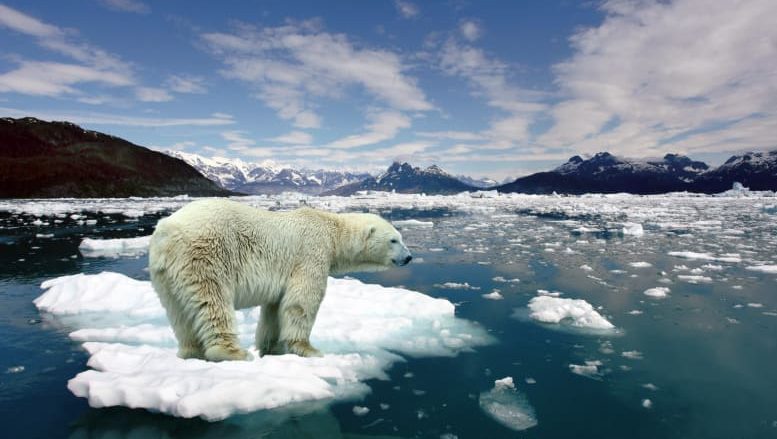
Ice is melting. Arctic sea ice extent has declined by about 13% per decade. Greenland and Antarctic ice sheets are losing mass at accelerating rates—hundreds of billions of tons annually. Mountain glaciers worldwide are retreating. Permafrost (permanently frozen ground) in the Arctic is thawing, releasing additional greenhouse gases and destabilizing infrastructure.
Sea levels are rising. As ice melts and oceans warm (warm water expands), sea levels are rising at about 3.3 millimeters per year, and the rate is accelerating. Since 1900, seas have risen about 20 centimeters (8 inches). Projections suggest 0.5 to 2 meters (1.6 to 6.6 feet) of rise by 2100 depending on emissions, potentially displacing hundreds of millions of people in coastal areas.
Weather patterns are changing. Climate change is increasing the frequency and intensity of extreme weather: more intense heat waves, heavier rainfall events (warmer air holds more moisture), more severe droughts in some regions, and possibly more intense tropical cyclones. The jet stream appears to be becoming more meandering, causing weather patterns to stall and creating prolonged extreme events.
Precipitation patterns are shifting. Some regions are becoming wetter, others drier. Mediterranean climates are expanding. Subtropical dry zones are moving poleward. These shifts affect agriculture, water availability, and ecosystems.
Ecosystems are stressed. Species are shifting their ranges poleward and to higher elevations, tracking suitable climate. Some are adapting, many are declining. Coral reefs are bleaching and dying due to heat stress and ocean acidification. Phenological changes (timing of seasonal events like flowering, migration, hibernation) are disrupting ecological relationships.
Agriculture faces challenges. While some regions may initially benefit from warming and CO₂ fertilization (plants grow faster with more CO₂, all else being equal), many regions face increasing heat stress, drought, flooding, and pest pressures. Food security is threatened, particularly in vulnerable regions.
Oceans are acidifying. About 30% of human CO₂ emissions have been absorbed by oceans, which has helped slow atmospheric warming but at a cost—dissolved CO₂ forms carbonic acid, lowering ocean pH. Ocean surface pH has decreased by about 0.1 units (corresponding to a 30% increase in acidity) since pre-industrial times. This “ocean acidification” makes it harder for calcifying organisms (corals, shellfish, many plankton) to build shells and skeletons, disrupting marine food webs.
Feedback loops amplify change. As permafrost thaws, it releases methane and CO₂. As ice melts, darker surfaces are exposed that absorb more sunlight, causing more warming. As forests die from heat and drought stress, they release carbon instead of absorbing it. These feedback mechanisms mean warming begets more warming, making climate change increasingly difficult to stop.
The Urgency: Why It Matters
Climate change isn’t a distant future threat—it’s happening now. But the consequences will worsen significantly if greenhouse gas emissions aren’t rapidly reduced:
Irreversibility: Some changes, once triggered, are effectively irreversible on human timescales. Ice sheet collapse, species extinctions, and ecosystem transformations may be permanent or take thousands of years to reverse.
Tipping points: Climate scientists worry about critical thresholds beyond which change accelerates dramatically—collapse of major ice sheets, shutdown of ocean circulation patterns, release of massive quantities of methane from melting permafrost, or dieback of tropical rainforests.
Cascading impacts: Climate change affects everything—water, food, health, conflict, migration, economies. These aren’t isolated problems but interconnected challenges that can overwhelm adaptation capacities.
Inequity: Those least responsible for emissions (poor communities, developing nations, future generations) will suffer most, while wealthy nations that produced most emissions have more resources to adapt.
The Solutions: What Can Be Done
Addressing climate change requires reducing CO₂ emissions and removing CO₂ from the atmosphere:
Transition to clean energy: Replacing fossil fuels with renewable energy (solar, wind, hydro, geothermal), nuclear power, and energy efficiency improvements is essential and increasingly economically competitive.
Electrify transportation: Electric vehicles powered by clean electricity can dramatically reduce emissions from cars, trucks, trains, and potentially ships and aircraft.
Transform industry: Developing low-carbon processes for cement, steel, chemicals, and other industrial production is crucial.
Protect and restore ecosystems: Forests, wetlands, and grasslands absorb CO₂. Protecting existing ecosystems and restoring degraded ones provides natural carbon removal while supporting biodiversity and communities.
Change agriculture: Regenerative practices, reduced meat consumption, and limiting agricultural expansion can reduce emissions and increase carbon storage in soils.
Carbon capture: Technologies to capture CO₂ from power plants, industrial facilities, or even directly from air could help remove legacy emissions, though these technologies are still developing and energy-intensive.
Individual actions: While systemic change is essential, individual choices matter—reducing consumption, choosing clean energy, eating less meat, flying less, and advocating for climate policies all contribute.
Policy and international cooperation: Carbon pricing, regulations, clean energy investments, and international agreements are necessary to drive change at the pace and scale required.
The challenge is enormous, but the alternative—accepting escalating climate disruption—is unacceptable. Every fraction of a degree of warming avoided, every ton of CO₂ not emitted, reduces future harm. The question isn’t whether climate change is happening (it is) or whether humans caused it (we did), but whether we’ll respond with the urgency the crisis demands.
FAQs About Carbon Dioxide
What exactly is carbon dioxide?
Carbon dioxide (CO₂) is a colorless, odorless gas made of one carbon atom bonded to two oxygen atoms. At normal atmospheric pressure and temperature, it exists as a gas, though it can be compressed into liquid form or frozen into solid “dry ice.” CO₂ makes up about 0.04% of Earth’s atmosphere, though this percentage has increased significantly due to human activities. It’s produced naturally through respiration, decomposition, volcanic activity, and combustion, and artificially through burning fossil fuels and various industrial processes. CO₂ is essential for plant photosynthesis and is a greenhouse gas that helps regulate Earth’s temperature. It dissolves in water to form weak carbonic acid, which is why carbonated drinks taste slightly acidic. Despite being a small percentage of air, CO₂ plays outsized roles in biology, climate, and numerous industrial applications.
Why is carbon dioxide important for life?
Carbon dioxide is absolutely essential for life on Earth for several reasons. Most fundamentally, plants need CO₂ for photosynthesis—the process by which they capture sunlight energy and use it to convert CO₂ and water into glucose and oxygen. This is the foundation of most food chains, as animals eat plants (or eat animals that ate plants), ultimately deriving their energy and body-building materials from plant photosynthesis, which requires CO₂. Additionally, photosynthesis produces the oxygen we breathe as a byproduct of splitting water molecules. The carbon in all organic matter—in your body, in trees, in every living thing—ultimately came from atmospheric CO₂ captured through photosynthesis. CO₂ also plays a crucial role in regulating Earth’s temperature through the greenhouse effect; without any greenhouse warming from CO₂ and other gases, Earth’s average temperature would be about -18°C instead of +15°C, leaving the planet frozen and uninhabitable. The key is balance—too little CO₂ and Earth would be too cold for most life; too much causes harmful global warming.
How does carbon dioxide cause climate change?
CO₂ causes climate change through the greenhouse effect. Sunlight passes through the atmosphere and warms Earth’s surface. The warm surface emits heat in the form of infrared radiation. CO₂ molecules in the atmosphere absorb this infrared radiation and re-emit it in all directions, including back toward Earth’s surface, trapping heat that would otherwise escape to space. This is a natural process that makes Earth habitable—without it, the planet would be frozen. However, human activities (primarily burning fossil fuels) have increased atmospheric CO₂ by 50% since pre-industrial times, enhancing the greenhouse effect beyond natural levels and causing global warming. The planet has warmed about 1.1°C since pre-industrial times, which might not sound like much, but has enormous consequences: melting ice, rising seas, more extreme weather, shifting precipitation patterns, ecosystem stress, and ocean acidification. Because CO₂ persists in the atmosphere for centuries, emissions today will affect climate for generations, making rapid emissions reductions urgent.
What is the carbon cycle?
The carbon cycle is the biogeochemical process by which carbon atoms move between Earth’s atmosphere, oceans, land, and living organisms. Key processes include: photosynthesis (plants remove CO₂ from air and incorporate carbon into organic matter), respiration (organisms break down organic matter for energy, releasing CO₂ back to air), decomposition (microbes break down dead organic matter, releasing CO₂), ocean uptake (CO₂ dissolves in seawater, especially cold water), ocean release (warm water releases dissolved CO₂), weathering (rainwater absorbs CO₂ and weathers rocks, eventually forming carbonate minerals), and volcanic outgassing (volcanoes release CO₂ from Earth’s interior). The cycle operates on different timescales from seconds (photosynthesis) to millions of years (rock weathering, fossil fuel formation). Naturally, the cycle maintained rough equilibrium with carbon flowing between reservoirs but staying relatively balanced. Human fossil fuel burning has disrupted this balance by rapidly transferring carbon from long-term geological storage into the active atmosphere-ocean system faster than natural processes can remove it.
Where does carbon dioxide come from?
Carbon dioxide comes from both natural and human sources. Natural sources include: respiration by all aerobic organisms (animals, plants, fungi, bacteria), decomposition of dead organic matter by microbes, volcanic eruptions and geothermal activity, wildfires, and outgassing from oceans. Human sources include: burning fossil fuels (coal, oil, natural gas) for energy and transportation (this is by far the largest human source), cement production (heating limestone releases CO₂), deforestation and land-use change (cutting forests releases stored carbon and eliminates CO₂-absorbing trees), industrial processes, and agriculture. Historically, natural sources and sinks roughly balanced. Oceans, forests, and soil absorbed about as much CO₂ as respiration, decomposition, and volcanoes released. Human activities now add about 40 billion tons of CO₂ annually—overwhelming this natural balance. About half accumulates in the atmosphere, while oceans and land absorb the rest, though these natural sinks show signs of saturation as they become overwhelmed by excess CO₂.
How much has CO₂ increased in the atmosphere?
Atmospheric CO₂ has increased dramatically since pre-industrial times. Before the Industrial Revolution (around 1750), CO₂ levels were approximately 280 parts per million (ppm), where they’d remained relatively stable for thousands of years. By 1958, when systematic measurements began at Mauna Loa Observatory in Hawaii, CO₂ had risen to about 315 ppm. By 2000 it reached 370 ppm. As of 2024, atmospheric CO₂ is approximately 420 ppm—a 50% increase from pre-industrial levels. Moreover, the rate of increase is accelerating; it took from 1750 to 1950 (200 years) to increase from 280 to 310 ppm, but only from 1990 to 2020 (30 years) to increase from 355 to 415 ppm. Ice cores and other evidence show current CO₂ levels are higher than at any point in at least 800,000 years, and likely several million years. This unprecedented increase coincides with and is caused by human fossil fuel burning and land-use changes.
What are the effects of too much carbon dioxide?
Excess atmospheric CO₂ has numerous serious effects. Climate impacts include: global warming (average temperature up 1.1°C and rising), melting ice (Arctic sea ice, glaciers, ice sheets losing mass), rising sea levels (currently rising 3.3 mm/year and accelerating), more extreme weather (intense heat waves, heavy rainfall, severe droughts, potentially stronger storms), shifting precipitation patterns (some areas wetter, others drier), and ecosystem stress (species ranges shifting, coral bleaching, disrupted seasonal timing). Ocean acidification occurs as oceans absorb CO₂, forming carbonic acid that lowers pH, making it harder for shellfish, corals, and many plankton to build shells, disrupting marine food webs. Agricultural impacts include heat stress, drought, flooding, and pest pressures threatening food security in many regions. Human health effects include heat-related illness, spread of tropical diseases, air quality problems, and food and water insecurity. The effects compound and interact, creating cascading challenges. Some changes may be irreversible on human timescales, and critical tipping points could trigger accelerating change, making rapid emissions reductions urgent.
Can carbon dioxide be removed from the atmosphere?
Yes, CO₂ can be removed from the atmosphere through both natural and technological approaches, though removing it is much harder and more expensive than not emitting it in the first place. Natural carbon removal includes: afforestation and reforestation (planting trees that absorb CO₂ as they grow), protecting existing forests from cutting, wetland restoration (wetlands store large amounts of carbon), regenerative agriculture and soil carbon sequestration, and ocean-based approaches like protecting coastal “blue carbon” ecosystems. Technological removal includes: direct air capture (machines that chemically capture CO₂ from ambient air, though currently expensive and energy-intensive), bioenergy with carbon capture and storage (burning biomass for energy while capturing and burying the CO₂), enhanced weathering (accelerating natural rock weathering that absorbs CO₂), and ocean alkalinization (adding alkaline minerals to seawater to increase CO₂ absorption). While these approaches show promise, scaling them to remove the billions of tons needed annually faces enormous challenges. The most important priority remains dramatically reducing emissions; removal technologies should complement, not substitute for, emissions reductions.
What happens when you breathe carbon dioxide?
Breathing small amounts of CO₂ is normal and harmless—every breath you exhale contains about 4-5% CO₂ (much higher than the 0.04% in atmospheric air), and you’re constantly exposed to low concentrations without harm. However, breathing elevated concentrations can be dangerous. At 1-2% CO₂ (10,000-20,000 ppm), you might experience drowsiness, headache, and reduced cognitive function after prolonged exposure. At 3-5% (30,000-50,000 ppm), you’d experience headache, dizziness, increased heart rate, and breathing difficulty within minutes. At 5-10%, you’d experience severe symptoms including confusion, panic, loss of consciousness, and potentially death within minutes to an hour. Above 10%, unconsciousness occurs rapidly, followed by death. CO₂ is particularly dangerous in confined spaces where it can accumulate (cellars, silos, poorly ventilated rooms, volcanic areas, dry ice storage) because it’s denser than air and sinks to low areas, and it’s colorless and odorless so you can’t detect it. Your body actually uses CO₂ levels in blood to regulate breathing—rising CO₂ triggers the urge to breathe.
Why is dry ice called “dry” ice?
Dry ice is called “dry” because it sublimates—transforms directly from solid to gas without passing through a liquid phase at normal atmospheric pressure. Regular water ice melts into liquid water before evaporating, creating wetness. Dry ice (solid CO₂) at -78.5°C (-109.3°F) warms and transforms directly into CO₂ gas without creating any liquid, leaving no wet residue. This property makes it “dry” and extremely useful for refrigeration where you don’t want liquid melt—shipping frozen food, preserving medical specimens, creating special effects. The sublimation happens because CO₂’s phase diagram (relationship between temperature, pressure, and physical state) is unusual; liquid CO₂ only exists at pressures above 5.1 atmospheres. At normal atmospheric pressure (1 atmosphere), there’s no temperature at which CO₂ is liquid—it goes straight from solid to gas as temperature increases. To create liquid CO₂, you need pressurized containers. Handle dry ice carefully—its extreme cold causes severe frostbite on contact, and sublimating CO₂ can displace oxygen in confined spaces.
What can individuals do about CO₂ emissions and climate change?
While systemic change is essential, individual actions collectively matter and demonstrate demand for climate solutions. High-impact personal choices include: reduce energy use (improve home insulation, use efficient appliances, adjust thermostat), switch to clean energy (install solar panels, choose renewable energy from your utility), change transportation (drive less, walk/bike/transit more, choose fuel-efficient or electric vehicles, fly less—aviation has very high per-mile emissions), adjust diet (eat less meat especially beef, reduce food waste—food production causes significant emissions), consume thoughtfully (buy less stuff, choose durable products, repair rather than replace, buy used), and advocate for change (vote for climate-conscious candidates, support climate policies, divest from fossil fuels, encourage institutions to act). Be aware that some actions have much bigger impact than others—one transatlantic flight emits more than a year of recycling saves; switching to renewable energy or giving up a car dwarfs impact of shorter showers. Don’t let perfect be the enemy of good—do what you can, recognize systemic change requires policy and corporate action beyond individual choices, and use your voice as citizen and consumer to demand that change.