We explain what carnivorous animals are, how they are classified and how they differ from herbivores and omnivores.

What are carnivorous animals?
Carnivorous or zoophagous animals are those consumer organisms whose diet consists exclusively of the organic matter of other animals . They are heterotrophic organisms. In this classification, both predatory animals and scavengers are considered.
Although the mere mention of the word carnivore makes us think of large African or Asian predators (if not prehistoric ones, such as certain species of dinosaurs), in reality there is a very numerous universe of animals that obtain their energy and matter in this way.
It is not an exclusive diet of red meat or mammals, but rather the meat of another animal. There are even plants that complement their autotrophic nutrition with insect digestion methods (the so-called carnivorous plants).
Carnivorism emerged as a method of nutrition since primitive times as part of the evolutionary competition of life. It was an important driver of natural selection, as prey and predators competed for millions of years to adapt to each other's strategies.
Examples of carnivorous animals

Some examples of carnivorous animals are:
- The big cats African and Asian: tigers, lions, jaguars, pumas, lynxes, and other scavengers that live alongside them, such as hyenas or vultures.
- The fearsome marine predators : sharks, barracudas, killer whales, moray eels, etc.
- Arachnids such as scorpions, centipedes and spiders, and insects such as the praying mantis.
- birds of prey such as owls, hawks and eagles, as well as other scavengers such as vultures and condors.
- wild canids such as foxes, coyotes, wolves and wild dogs.
- fish-eating birds such as pelicans, gannets or cormorants.
Characteristics of carnivorous animals
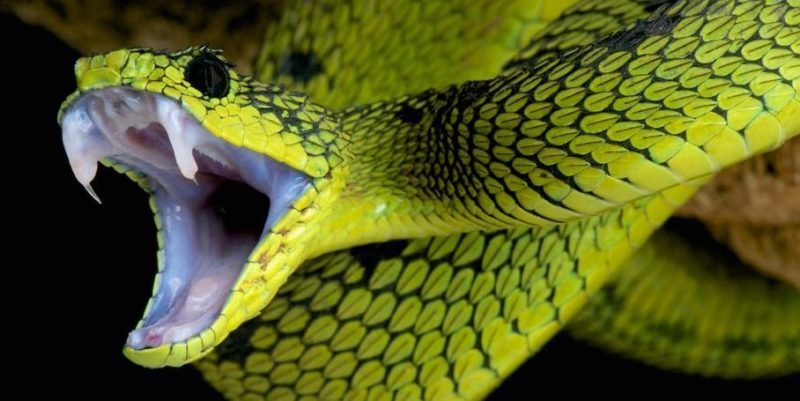
Carnivorous animals can have very different characteristics from each other, since in each case they are adapted to the habitat in which they live and the hunting strategies that allow them to consume the meat of other animals. For example, large terrestrial carnivores often have sharp teeth to tear the flesh, or curved to hold the prey and prevent its escape.
In some cases, they also have sharp claws and in others with modified organs, such as the teeth of poisonous snakes, capable of inoculating their prey with a type of modified digestive enzymes that produce different types of paralysis or death.
Many carnivores are also skilled hunters equipped with instinct and mechanisms to stalk, chase or surprise their prey, thus maximizing their chances of feeding. Many have large biting jaws, like sharks.
In the case of Insects, crustaceans and arachnids have strong pincers or appendages to hold prey, break its defenses or extract it from its hiding places. Carnivorous birds can do the same with their strong, sharp and curved beaks, and their sharp claws, ideal for holding and tearing the outer layers of the animal and accessing the softest and most nutritious meat.
There are also marine carnivores such as the blue whale that use water filtering methods to keep the large portions of crustaceans and microorganisms on which they feed. To do this, they have internal beards and huge mouths.
On the other hand, Carnivores tend to have more direct and simple digestive systems at least in comparison with herbivores, since the latter must digest organic plant matter in different stages, while animal meat is much simpler to digest.
Types of carnivorous animals
There are two possible classifications of carnivorous animals. The first deals with the type of meat they eat, that is, the type of animals they preferably consume. Thus, we could distinguish between:
- Strict carnivores. Those that eat meat from other vertebrate animals, such as mammals, birds or reptiles.
- Piscivores Those that devour fish and other forms of non-mammalian marine life.
- Insectivores Those that feed on insects and other arthropods.
On the other hand, we can also distinguish between carnivores according to the preference they give to meat in their diet, since they combine it with other food sources:
- Hypercarnivores Those who eat mostly meat (approximately 70% of their diet).
- Mesocarnivores Those who combine meat and other food sources in equal proportions (approximately 50% of their diet).
- Hypocarnivores Those who include meat in their diets, but in a minority way (up to 30% of their diet).
herbivorous animals
Herbivorous animals, unlike carnivores, are consumers who obtain their energy and food from organic matter of plant origin that is, ingesting parts of the body of plants: leaves, stems, bulbs, roots, fruits, seeds, flowers, etc. Algae are also part of their diet, in some cases.
These animals usually live in regions with a lot of vegetation and have teeth or beaks conditioned for the type of plant matter that makes up their diet. This includes flat molars for grinding plant fibers, as well as various stomachs or a long, recurring digestive system, in which plant cellulose can be broken down for energy.
Examples of herbivores are cattle such as cows, or wild animals such as antelope and giraffe.
Omnivorous animals
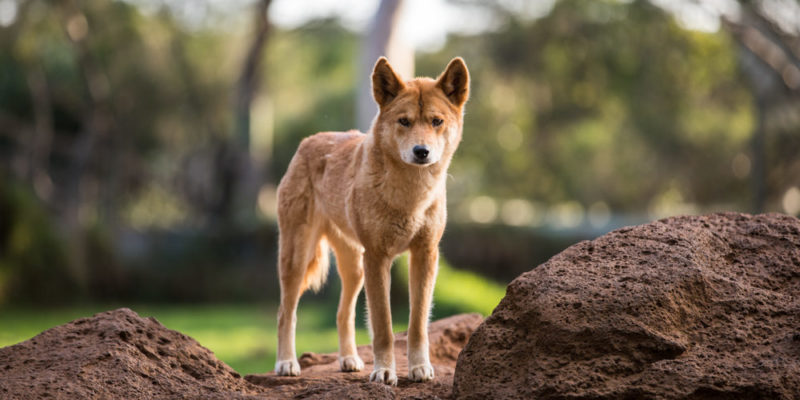
A category beyond the carnivore-herbivore bipolarity is that of omnivorous animals, which are capable of obtaining their sustenance from very diverse and complementary sources. can survive on a vegetarian diet, a carnivorous diet, or a mixed diet .
They are non-specialized consumers, who can play the role of predators, scavengers and herbivores at will. Some cases of omnivorous animals include bears, pigs, domestic dogs, apes and humans.
Continue in: Omnivorous animals
References
- “Carnivore” on Wikipedia.
- “Carnivorous animals” (video) in Roll call.
- “Carnivorous animals” in Animapedia.
- “Carnivorous animals, what makes them different?” at Zoo Aquarium Madrid.
- “Carnivores: facts about meat-eaters” on LiveScience.
- “Carnivore (consumer)” in The Encyclopaedia Britannica.