We explain what the causes of pollution are, why the various types of pollution occur and their consequences.
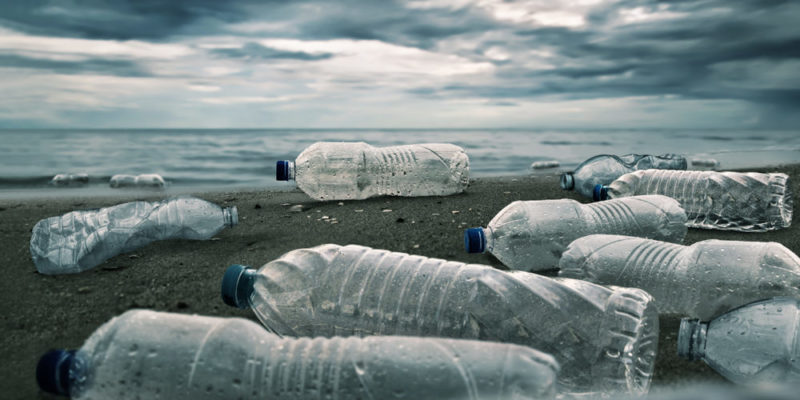
What is pollution and what types are there?
Pollution is the entry of substances into an environment, which affects your balance and makes it an unsafe environment . An “environment” is considered to be an ecosystem, a physical environment or a living being. The “polluting agent” can be physical, chemical or biological and is harmful when it occurs in high concentrations.
Pollution can be natural (caused by forest fires, volcanic eruptions, tsunamis or earthquakes) or artificial (caused by human activity: the interruption of the natural cycles of the ecosystem, the misuse of natural resources or by poor management. of waste, among the main causes).
Causes of environmental pollution
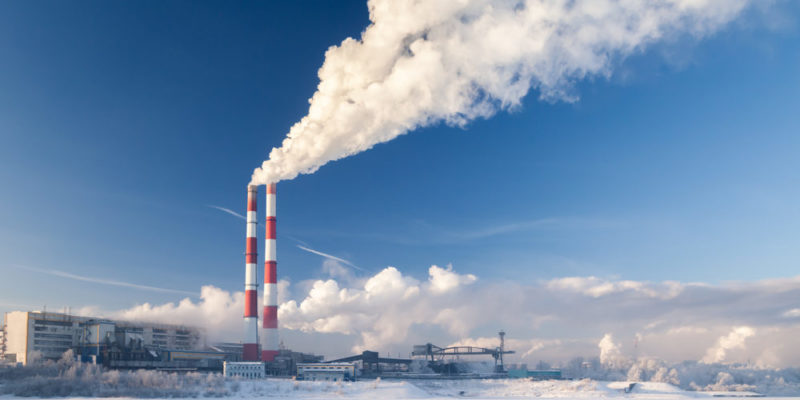
Environmental pollution is produced, to a greater extent, by the continuous increase in human population and uncontrollable industrial development . The presence in excess of any physical, chemical or biological agent in the environment causes an imbalance. Some examples of polluting agents are:
- Chemical contaminants They come from the chemical industry that generates toxic products, for example, acids, solvents, plastics, petroleum derivatives and pesticides.
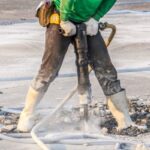
- Physical contaminants. They come from phenomena caused by human activity, for example, noise, radioactivity, heat and electromagnetic energy.
- Biological contaminants They come from the decomposition and fermentation of organic waste, for example, excrement, factory waste and drains.
Causes of water pollution
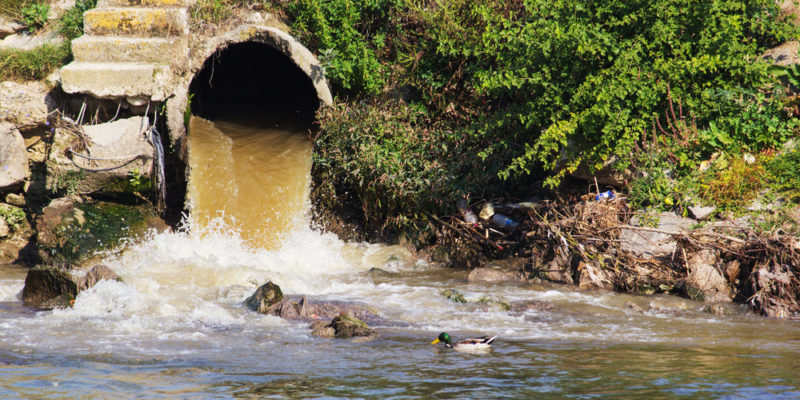
Water pollution occurs when it is no longer suitable for consumption due to a large amount of toxic substances that are dumped into bodies of water or that reach groundwater through leaks in the earth. The water contaminating factors are:
- Sewage discharges They come from sewage, urban and industrial fluids that are not treated adequately.
- Oil spills They come from oil drilling that has an accident or improper practice.
- Phytosanitary products They are used to spray fields, as pesticides, which are then absorbed by the earth until they reach groundwater or water tables.
- Deforestation The indiscriminate felling of trees causes the appearance of sediments and bacteria under the ground, which filter through the earth until they reach the groundwater and contaminate it.
- The increase in temperature Thermal pollution is the exacerbated alteration of temperature that causes a decrease in oxygen in the water, and alters its entire composition.
Causes of air pollution
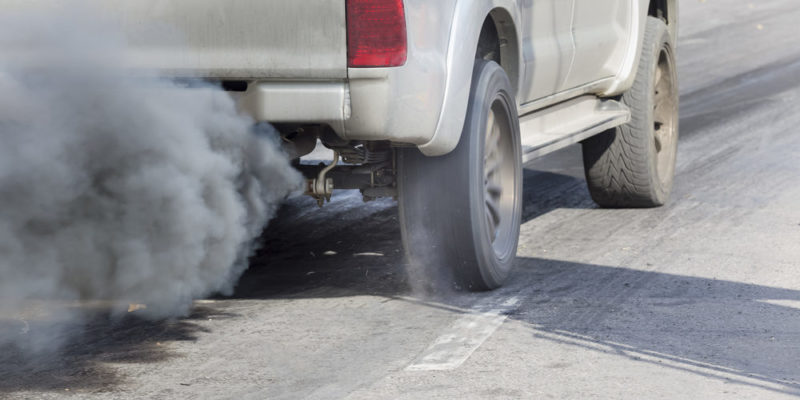
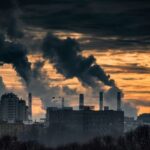
The main causes of air pollution are related to the burning of fossil fuels (coal, oil and gas) that takes place in the extraction of oil wells, in the operation of the industrial sector and in road transport (the main global cause of air pollution).
The air in the atmosphere naturally contains gases such as nitrogen, oxygen, carbon dioxide and methane, which make the greenhouse effect possible: they retain some of the solar rays that pass through the atmosphere in the form of heat. This way, The average temperature on Earth is 15º C which allows the development of life. Without the greenhouse effect, that is, without the retention of solar radiation, the sun's rays would bounce directly against the Earth's surface and the average temperature would be -18º C, so the life we know today would not be possible.
The problem caused by air pollution in the greenhouse effect is the increase in some gases, such as carbon dioxide and methane . This unbalances the natural composition of the atmosphere and causes solar radiation to be retained on a larger scale, which causes higher than normal temperatures. As a consequence, glaciers melt and climate changes and floods occur, among others.
The main sources of polluting gases are:
- The extraction of hydrocarbons from oil, coal and gas fields.
- Combustion of fuels (transport)
- The digestive process of cattle due to the massive agricultural-livestock industry.
- Microbial activity in wastewater (sewer).
- The combustion of tropical forests and savanna (forest fires).
Causes of soil pollution
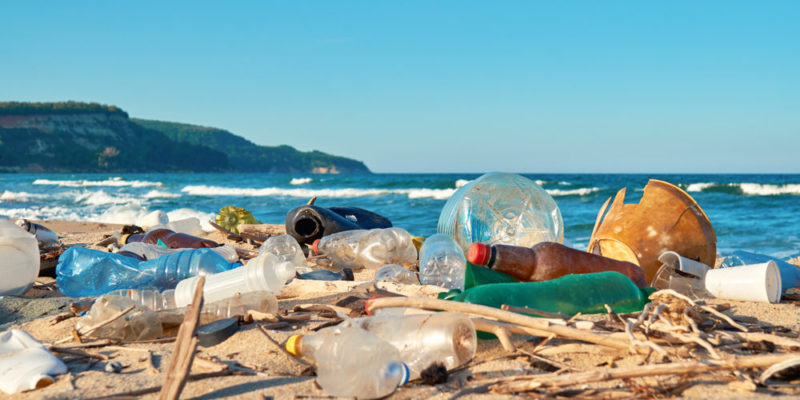
The causes of soil pollution are related to increase in chemical compounds that come from human activity and that cause harmful changes in the terrain.
Some examples of soil contamination are:
- Underground storage tanks They contain, for the most part, liquids and gases derived from petroleum that usually come into contact with the ground due to leaks in the pipes. Also, domestic tanks or wells that contain waste liquids are absorbed by the earth and, due to the intense flow with which they are discharged, the soil cannot filter them naturally.
- Pesticides They contain a large amount of chemicals that are harmful to the environment and are absorbed by the soil until they reach the groundwater. Despite being the main cause of soil contamination, they are used in the agricultural industry, along with pesticides and fertilizers, to combat pests and worms.
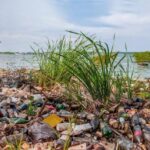
- Urban waste They consist of domestic and commercial waste that, for the most part, is not treated adequately to avoid its negative environmental impact. Waste that, due to its chemical composition, cannot be decomposed, remains for hundreds of years on land and in water, and is a danger to other animals and the ecosystem in general.
- Industrial waste They contain pesticides, chemical liquids and remains of fuel and metals that come from textile, paper, food and oil production. Despite the existence of standards and legislation to control industrial waste, mass production exceeds the control capacity (both for emissions into the atmosphere and for liquids that are discharged into tributaries).
- Open pit mining The work process of a mine generates enormous environmental impacts on the ecosystem such as certain changes in the morphology of the terrain or air and soil pollution due to chemicals and waste that are not properly treated and stored (they leach into the ground and reach groundwater).
Consequences of pollution
environmental pollution generates problems in health, in the climate, in the soil, in plants and in other animals . In March 2017, the World Health Organization reported that almost two million child deaths occur annually as a result of environmental pollution.
Unsanitary environmental conditions, contaminated air (in closed spaces and outdoors), exposure to second-hand tobacco smoke, contaminated water and lack of health and hygiene are some of the main polluting factors.
References
- “Pollution” in World Wild Life.
- “Causes and Consequences of Water Pollution” in Sustainability.
- “The Consequences of Environmental Pollution” in WHO.
- “Methane” in Mendoza Conicet.
- “Argentina, Livestock and Greenhouse Gas Emissions” in IPCVA.
- “Inventory of US Greenhouse Gas Emissions and Sinks” in EPA.
- “Why Methane Matters” in United Nation Climate Change.