We explain what auditory, visual and kinesthetic learning is, the characteristics of each one and the differences between them.
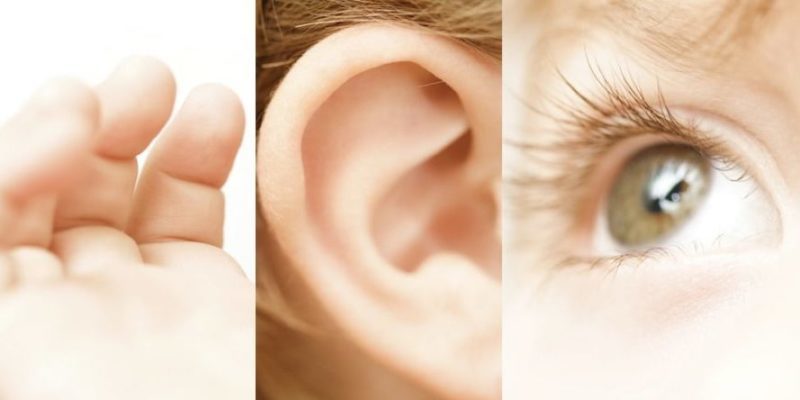
Auditory, visual and kinesthetic learning
Learning is the ability to solve given problems by applying the experience obtained from previous experiences, or even from previously formulated reasoning. However, not all of us acquire knowledge (learn) through the exact same mechanisms, so there are types of learning or learning styles.
While the total and exhaustive list of what types of learning are possible is too long and changing to list here, There are three main types of learning according to the type of senses that are mostly used in the process.
That is to say, people do not learn by stimulating the same senses or types of perception, but there may be people who learn more easily what they hear (auditory learning), or what they see (visual learning) or what they feel with the eye. touch (kinesthetic learning).
Each of these learning styles carries its own rules, tendencies and preferences. Knowing which is the most effective model for each person can have an important influence on their way of studying, or on their mechanisms for remembering important things, to give a couple of examples.
Generally People have a strong preference for one of these three models despite the fact that all three forms of learning are possible for any human being.
auditory learning

Auditory learning is that which primarily involves experiences with the sense of hearing . Therefore, it involves more than anything listening and speaking as the mechanisms to establish knowledge.
Therefore, people with a preference for auditory learning have more difficulty when dealing with instructions given in writing, since They are good listeners and interlocutors, with a facility for languages and music. .
It is common to see them, in fact, repeating out loud what they have read (so they can hear it) or commenting on it immediately afterwards, or creating songs or mnemonic phrases. Generally, it is more difficult for them to concentrate if there is music or loud noises in the environment (as they are more easily distracted).
Visual learning

For its part, visual learning is what privileges the sense of sight as a mechanism to fix knowledge . This implies the privilege of the image, animation, graphics and photography as pedagogical instruments, over others of an auditory or corporal type.
People with a more visual learning mode They always prefer everything in writing since it is easier for them to remember and understand. It is common to see them studying by transcribing text, creating tables or graphs, or using visual metaphors.
On the contrary, it is much more difficult for them to process information just spoken, and they will generally focus more on visual details of reality, such as the color of things, the clothes we wear, etc.
Kinesthetic learning
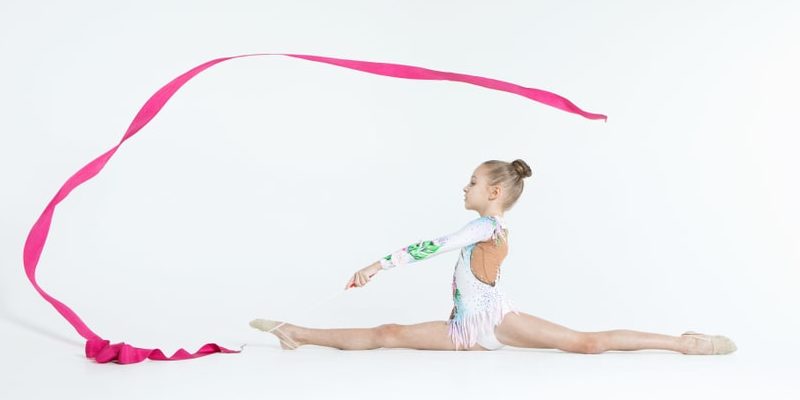
The last model of learning according to the senses is notoriously a minority compared to the visual and auditory, but still important. It is based, as its name indicates, on kinetics, that is, on touch and body movements. It involves muscle and body memory, gestures and play more than the more passive methods of vision and hearing.
The kinesthetic student always prefers action, he moves a lot and gestures when speaking. In addition, you can better remember and understand information that is accompanied by a relevant tactile event.
Your relationship with the body can be deeply creative. May present ease in dancing, painting or acting, sports gymnastics and other activities that require coordination and physical precision.
References
- “Types of learning” on Wikipedia.
- “Auditory learning” on Wikipedia.
- “3 Learning Styles” in Editorial MD.
- “Learning styles: Visual, auditory and kinesthetic” in UNITEC Blog.