Walk into almost any city in the world and you’ll find McDonald’s, Starbucks, people wearing Nike shoes while listening to BTS on their phones. That’s cultural globalization in action—the process where values, ideas, and customs flow across borders, mixing and reshaping how people live everywhere. It’s not just about American brands spreading worldwide (though that’s part of it). It’s about cultural exchange happening at unprecedented speed and scale, creating both exciting fusion and worrying homogenization. Some see it as cultural imperialism destroying local traditions. Others view it as enriching diversity through creative blending. The reality? It’s probably both, depending on where you look and what you value.
What Is Cultural Globalization?
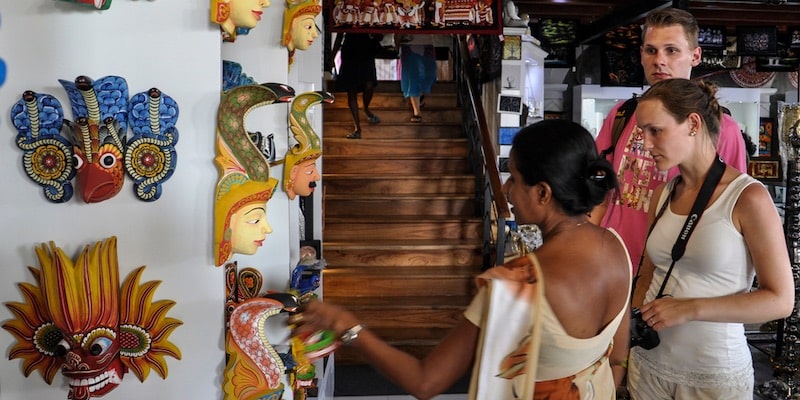
Let’s define this clearly. Cultural globalization is the process by which values, ideas, customs, and cultural products spread and integrate across the planet. It’s driven by trade, migration, communication technologies, and media that connect distant places like never before.
This isn’t entirely new. Cultures have always influenced each other through contact—think the Silk Road, colonial expansion, or earlier waves of immigration. But what’s different now is the speed, scale, and intensity. A song released in Seoul can go viral globally within hours. A fashion trend from Paris appears in shopping malls across five continents within weeks. Streaming platforms deliver the same TV shows to audiences in dozens of countries simultaneously.
The result is complex. On one hand, cultural globalization creates greater homogenization—more people consuming similar products, following similar trends, adopting similar lifestyles. Walk through urban centers from Tokyo to Toronto to Tel Aviv and you’ll see remarkable similarities in what people wear, eat, and do for entertainment.
On the other hand, globalization makes thousands of diverse cultures more visible and accessible than ever before. You can explore Mongolian throat singing on YouTube, order authentic Ethiopian food in most major cities, learn about Indigenous traditions from around the world without leaving your couch. The same forces that spread dominant cultures also provide platforms for marginalized ones.
The tension between these effects—homogenization versus diversity—sits at the heart of debates about cultural globalization. Is it flattening the world into bland uniformity, or creating exciting new hybrid forms? Probably both, in different ways and different places.
Key Characteristics
Several features define how cultural globalization actually operates:
Global Interconnection
Cultures from different regions are increasingly connected through constant exchange of ideas, values, and practices. This happens primarily through consumer goods, internet platforms, and communication technologies that make borders increasingly irrelevant for cultural transmission.
Think about how quickly cultural phenomena spread now. A dance challenge starts on TikTok in one country and within days people everywhere are participating. A phrase or meme enters popular usage globally almost instantaneously. Cultural products no longer need physical distribution networks to reach worldwide audiences—digital platforms provide immediate global access.
Cultural Diffusion
Values, norms, and customs—especially from economically and politically dominant cultures—spread and get adopted globally. Western culture, particularly American and to some extent European, exercises disproportionate influence. English becomes the lingua franca. Hollywood entertainment dominates global markets. Western fashion and lifestyle choices set worldwide trends.
This diffusion isn’t always imposed forcefully. Often people voluntarily adopt elements from other cultures because they seem appealing, modern, or prestigious. But the flow is decidedly unequal. American cultural products reach every corner of the globe far more easily than, say, Cambodian or Peruvian cultural products reach American audiences.
Homogenization
Cultural uniformity increases as different countries adopt similar practices. Shopping malls in different continents stock similar brands. Radio stations in different countries play similar music. Architectural styles become more generic and international. Food chains offer nearly identical menus worldwide.
This homogenization reduces diversity and intensifies cultural hegemony of major economic powers. When local businesses can’t compete with multinational corporations, when local music struggles to get radio play because international pop dominates, when traditional foods get replaced by fast food chains—that’s homogenization at work.
Hybridization
But homogenization doesn’t tell the whole story. Cultural globalization also creates hybridization—the blending of elements from different cultures into new unique expressions. This produces creativity and innovation rather than simple replacement.
Fusion cuisine combines culinary traditions from different cultures. Music genres blend to create new sounds—think reggaeton mixing Latin rhythms with hip-hop, or K-pop incorporating elements from Western pop, EDM, and hip-hop into distinctly Korean productions. Fashion designers draw inspiration from multiple cultural traditions. Languages evolve by borrowing words and expressions from other languages.
Hybridization suggests cultural globalization isn’t just one culture conquering others, but cultures interacting in complex ways that generate novelty.
Migration’s Role
Human mobility significantly contributes to cultural exchange. When people migrate, they bring their practices, traditions, foods, languages, and values with them. This creates multicultural communities where different traditions coexist and influence each other.
Immigrant communities maintain cultural connections to their homelands while also adapting to new contexts. Second and third generation immigrants often create hybrid identities, drawing from multiple cultural sources. This person-to-person cultural transmission operates alongside and reinforces the media-driven aspects of cultural globalization.
Broad Scope
Cultural globalization affects virtually every manifestation of culture. Music and other arts circulate globally. Sports spread beyond their original contexts—basketball and football are now truly worldwide. Gastronomy becomes increasingly international. Languages influence each other and English gains dominance as a global language. Fashion trends cross borders rapidly. Religious and philosophical ideas spread beyond their cultural origins.
Few aspects of culture remain purely local anymore. Even traditions that seem deeply rooted in specific places now exist within a global context where they’re known, discussed, and sometimes adopted or adapted by people from entirely different backgrounds.
How Globalization Influences Culture

There are basically two camps in debates about globalization’s cultural influence: those who see it as threat and those who see it as opportunity.
The Threat Perspective
Critics view cultural globalization as endangering local traditions and authentic cultural expressions. They argue it promotes uniformity in how people consume culture—what they watch, eat, wear, listen to. This uniformity reflects the international expansion of brands, products, and styles from economically dominant countries.
The concern isn’t just that cultures change (they always have), but that the changes are unequal and unidirectional. Cultural globalization doesn’t provide all cultures equal opportunities to influence others. Instead, it’s determined by the dominance of economic and technological powers. Countries with major entertainment industries, influential media companies, and powerful brands shape global culture disproportionately.
This creates what critics call cultural imperialism or cultural colonization. Western (especially Anglo-American) practices get popularized and imposed on the rest of the world, while other cultural traditions get marginalized, commodified, or lost entirely. The worldwide dominance of Hollywood cinema exemplifies this—American films are available everywhere and influence filmmaking globally, while films from most other countries struggle to find international audiences.
Critics also worry about cultural authenticity. When local traditions get adapted for global markets, they often get simplified, sanitized, or distorted. Cultural practices become performances for tourists rather than living traditions. Traditional foods get modified to suit international palates, losing their original character. Cultural elements get turned into commodities stripped of their original meaning and context.
The Opportunity Perspective
Defenders of cultural globalization see it differently. They argue it creates unprecedented opportunities for contact between cultures, fostering mutual understanding and tolerance. Exposure to different ways of life can challenge parochialism and prejudice. Learning about other cultures can enrich your own perspective and possibilities.
More importantly, they emphasize hybridization and fusion as creative outcomes. When different cultural traditions interact, they don’t just dilute or replace each other—they can combine to create something new and valuable. Fusion cuisine illustrates this beautifully. Tex-Mex food blends Mexican and American traditions into distinctive dishes that belong fully to neither culture and both. Sushi with local ingredients in non-Asian countries creates interesting variations. These aren’t corruptions of authentic traditions; they’re creative innovations.
Music provides countless examples. World music as a genre emerges from blending musical traditions from different cultures. Jazz itself is a hybrid form combining African, European, and American influences. Hip-hop has become global, with artists in different countries incorporating local languages, instruments, and themes while maintaining connection to hip-hop’s core elements. K-pop blends Korean and Western influences into something distinctly new.
From this perspective, cultural globalization doesn’t produce winner-take-all cultural competition but mutual enrichment. Cultures learn from each other, adopt useful or appealing elements, and create new forms that preserve continuity with the past while engaging with global present.
Defenders also note that communication technologies give previously marginalized voices unprecedented platforms. Indigenous communities can share their perspectives globally. Independent artists can reach audiences without going through traditional gatekeepers. Diasporic communities can maintain cultural connections across vast distances. Globalization’s tools can be used to resist globalization’s homogenizing tendencies.
Advantages of Cultural Globalization
Looking at the positive side, cultural globalization offers several benefits:
Enhanced contact and understanding. Globalization encourages interaction between cultures and promotes mutual knowledge. This can foster tolerance and establish new social relationships—personal or professional, physical or virtual. When people from different backgrounds interact regularly, stereotypes get challenged and common humanity becomes more apparent.
Increased diversity. Despite concerns about homogenization, globalization can actually contribute to cultural diversity by spreading practices from some regions to others. You can experience Indian, Thai, Mexican, Ethiopian, and Italian cuisine in the same city. Museums display art from around the world. Music streaming services offer genres from everywhere. This accessibility expands cultural horizons.
Overcoming distance. Technology facilitates access to cultural manifestations from remote regions and enables international dissemination of local cultural expressions. Artists in small countries can find global audiences. Cultural traditions that might otherwise remain unknown can gain international recognition. Geographic isolation no longer means cultural isolation.
New interaction spaces. Globalization creates both physical and digital spaces that promote coexistence, competition, or collaboration between people from various countries. International sporting events, music festivals, academic conferences, online communities—these bring together diverse participants in ways that generate cultural exchange and creative collaboration.
Hybrid innovation. The mixing of cultural elements produces creative innovations that wouldn’t emerge within single cultural traditions. Fusion creates novelty in food, music, art, fashion, language, and ideas. This cultural creativity is genuinely new, not just the sum of its parts.
Disadvantages of Cultural Globalization
But there are legitimate concerns and downsides:
Cultural homogenization. Globalization tends toward relative uniformity that reduces local particularities and diminishes diversity. When the same brands, styles, entertainment, and lifestyle choices appear everywhere, cultural distinctiveness fades. Traditional practices get abandoned as outdated or unmarketable. Regional differences that took centuries to develop can disappear within a generation.
Cultural hegemony. Dominant countries impose their customs and values on other regions through globally successful industries like film, television, music, and social media. This isn’t neutral exchange between equals—it’s asymmetric power relations where some cultures shape others far more than they’re shaped in return. English dominates as a global language, marginalizing other languages. American cultural products flood global markets while most countries’ cultural products struggle to find international distribution.
Loss of local identity. As global culture gains prominence, local and regional identities weaken. Languages disappear when they’re not economically valuable. Traditional crafts become economically unviable when competing with mass-produced goods. Cultural knowledge held by elders doesn’t get transmitted to younger generations more interested in global pop culture. This represents genuine loss—once a language or tradition disappears, it’s gone forever.
Media concentration. Large multinational media companies disseminate the same cultural products worldwide. This creates uniformity of media content and makes it difficult for local cultural actors to compete or communicate alternative perspectives. A handful of corporations shape global culture through the content they produce and distribute. This concentration of cultural power in few hands is troubling for both diversity and democracy.
Commodification of culture. When cultural elements become globally marketable, they often get stripped of deeper meaning and context. Sacred symbols become fashion accessories. Traditional music gets packaged for tourist consumption. Cultural practices become performances staged for external audiences rather than lived traditions. This reduces culture to commodity—something bought and sold rather than meaningfully practiced.
Consequences: The Complex Picture
Cultural globalization’s consequences resist simple categorization. Often the same processes produce both positive and negative outcomes depending on perspective and context:
| Dimension | Positive Consequences | Negative Consequences |
|---|---|---|
| Cultural Exchange | Greater interaction between nations and access to cultural goods from remote places, fostering understanding and appreciation | Imposition of dominant cultures over others, with economically powerful countries shaping global culture asymmetrically |
| Cultural Consumption | Creative influences fostering new artistic styles, consumption patterns, and hybrid aesthetic trends through fusion | Homogenization of consumption as international fashions dominate and tastes become uniform, reducing distinctiveness |
| Cultural Diversity | Promotion of multiculturalism valuing diversity and tolerance, with cultures enriching each other through interaction | Reduction of diversity through imposition of values from powerful countries and abandonment of local traditions |
| Information Access | Ideas spread beyond borders with nearly unlimited access to information and independent cultural expression possibilities | Dominance of major brands imposing consumption patterns and tech industries controlling tools for digital dissemination |
| Language | Increased interest in learning foreign languages and promotion of global linguistic diversity through exposure | Dominance of English and powerful countries’ languages over indigenous, regional, and local languages facing decline |
| Identity Formation | Emergence of hybrid, cosmopolitan identities embracing multiple cultural influences and creating new expressions | Erosion of traditional identities and sense of cultural belonging, particularly for younger generations |
| Economic Impact | Opportunities for cultural entrepreneurs and artists to access global markets and audiences | Local cultural industries struggling to compete with multinational corporations’ resources and distribution networks |
Real-World Examples
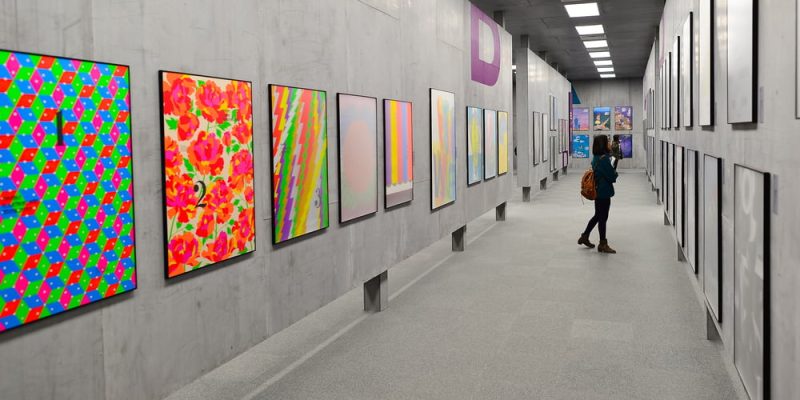
Abstract discussion only goes so far. Let’s look at concrete examples of cultural globalization in action:
Fast Food Chains
McDonald’s, Starbucks, KFC, and similar chains operate in nearly every country. They introduce not just American products but American-style consumption patterns—quick service, standardized experiences, eating on the go. Yet they also adapt to local contexts. McDonald’s serves McAloo Tikki burgers in India, teriyaki burgers in Japan, and wine in France. This exemplifies both homogenization (the spread of fast food culture) and hybridization (adaptation to local tastes).
Pop Music
Artists like BTS, Taylor Swift, Bad Bunny, and Shakira achieve global success transcending language and cultural boundaries. They influence local music scenes everywhere. But they also incorporate diverse influences into their own music. K-pop blends Korean and Western elements. Latin music gains global mainstream presence. African musical traditions influence global pop. Music flows in multiple directions, not just from West to rest.
Hollywood’s Dominance
American films shape global cinema profoundly. Hollywood production values, narrative structures, and genre conventions influence filmmaking worldwide. American cultural values and perspectives reach global audiences through cinema. This represents cultural hegemony—but it’s not total. Bollywood rivals Hollywood in output and reach. Korean cinema gains international prestige. Netflix and other streaming platforms provide distribution for films from many countries.
International Sports
Events like the FIFA World Cup, Olympics, and NBA spread sports globally. Football (soccer) becomes truly worldwide. Basketball gains popularity in countries where it barely existed decades ago. But sports also maintain local and regional significance. Cricket dominates in certain regions. Baseball remains central in others. New hybrid sports emerge. And traditional sports find new international audiences.
Fashion Globalization
Brands like Zara, H&M, Nike, and Adidas carry fashion styles globally. International trends spread rapidly through social media. Yet fashion also draws from diverse cultural sources. Designers incorporate elements from various traditions. Street fashion in different cities develops distinctive local flavors while participating in global trends. Fast fashion enables both global uniformity and rapid adoption of diverse influences.
Fusion Cuisine
Culinary hybridization creates genuinely new food traditions. Tex-Mex, California rolls, Korean tacos, curry pizza—these combinations of different culinary traditions are now established parts of the food landscape. They demonstrate how cultural mixing can be creative rather than just diluting authentic traditions. Though critics note this can sometimes lead to cultural appropriation without proper credit or understanding.
Social Media Platforms
Instagram, TikTok, YouTube, and Twitter rapidly spread cultural trends, viral challenges, memes, and content globally. A dance created in one place becomes worldwide phenomenon within days. Language evolves through internet slang that crosses borders. Movements and ideas mobilize internationally through social media. These platforms both spread dominant culture and provide voices for marginalized communities.
Streaming Services
Netflix, Spotify, and similar services give global audiences access to entertainment from around the world. Korean dramas find massive international audiences. Spanish-language series become global hits. Artists from small countries reach listeners everywhere. This could promote diversity—or could lead to algorithm-driven homogenization as platforms push globally popular content over local productions.
Global Brands and Local Adaptation
Multinational corporations adapt products to local markets while maintaining global brand identity. Coca-Cola tastes slightly different in different countries. IKEA adjusts furniture sizes and styles for different markets. This “glocalization”—thinking globally, acting locally—shows how cultural globalization involves negotiation between universal and particular rather than simple imposition.
So how should societies respond to cultural globalization? Several approaches exist:
Preservation strategies attempt to protect and maintain traditional cultures against globalizing pressures. This might involve language preservation programs, support for traditional crafts and arts, cultural education, and restrictions on foreign cultural products. The challenge is avoiding cultural stagnation—cultures aren’t museum pieces but living, evolving phenomena.
Selective adoption means engaging with global culture while maintaining distinctive identity. Societies take useful or appealing elements from other cultures while preserving core traditions and values. This requires discernment about what to adopt, adapt, or reject. It’s the approach many societies actually practice, though not always consciously.
Creative hybridization embraces cultural mixing as source of innovation and vitality. Rather than resisting external influences, this approach actively combines elements from different traditions to create new cultural forms. The risk is losing cultural distinctiveness; the opportunity is generating creativity and relevance.
Reciprocal exchange aims to make cultural globalization more equal. Instead of accepting one-way flow from dominant to dominated cultures, this approach promotes genuine exchange where all cultures both give and receive. This requires addressing power imbalances and creating structures that support cultural production and distribution from diverse sources.
FAQs About Cultural Globalization
What is cultural globalization?
Cultural globalization is the worldwide process by which values, ideas, customs, and cultural products spread, mix, and integrate across borders. It’s driven by trade, migration, communication technologies, and media that connect distant places. The process creates both cultural homogenization (increasing similarity) and hybridization (creative blending of traditions), generating ongoing debates about whether it threatens cultural diversity or enriches it through exchange.
How does cultural globalization spread?
Cultural globalization spreads through multiple channels: international trade carrying consumer goods and brands worldwide, migration bringing cultural practices from one place to another, communication technologies and internet platforms enabling instant global dissemination of ideas and content, mass media distributing entertainment and information across borders, tourism exposing people to different cultures, and educational exchanges promoting international understanding. These mechanisms work together, reinforcing each other to accelerate cultural transmission.
What are the main negative effects?
Key concerns include cultural homogenization where local distinctiveness fades as similar products and practices appear everywhere, loss of traditional identities and indigenous languages under pressure from dominant global culture, cultural imperialism where powerful countries impose their values on others, commodification that strips cultural practices of deeper meaning, and concentration of cultural production in hands of multinational corporations. These effects particularly harm smaller cultures and economically disadvantaged communities with less power to shape global culture.
What are the main positive effects?
Benefits include greater cultural exchange and mutual understanding between peoples, increased access to diverse cultural expressions from around the world, emergence of creative hybrid forms combining elements from different traditions, new opportunities for artists and cultural entrepreneurs to reach global audiences, enhanced tolerance through exposure to different ways of life, and platforms for marginalized voices to gain international hearing. Globalization’s tools can promote diversity even while other aspects threaten it.
Is cultural globalization the same as Westernization?
Not exactly, though they overlap significantly. Cultural globalization is the broader process of worldwide cultural exchange and integration. Westernization specifically refers to adoption of Western (particularly American and European) cultural practices, values, and products. Because Western countries hold disproportionate economic and media power, much cultural globalization involves Western influence spreading globally. However, globalization also includes other flows—Korean pop culture, Japanese anime, Latin American telenovelas, and Bollywood films reaching international audiences, for instance.
Does cultural globalization destroy local cultures?
The impact varies. In some cases, globalization does contribute to erosion or loss of local cultural traditions, languages, and practices, particularly when communities lack resources to maintain them against dominant global culture. However, local cultures also adapt, resist, and incorporate global influences in ways that create continuity while allowing change. Many communities maintain strong local identities while participating in global culture. The outcome depends on power dynamics, community resources, and how societies navigate the tension between preservation and adaptation.
What is cultural hybridization?
Cultural hybridization is the blending of elements from different cultural traditions to create new, unique cultural expressions that reflect multiple influences. Examples include fusion cuisine combining culinary traditions, musical genres mixing different styles, fashion incorporating elements from various cultures, and hybrid identities embraced by people navigating multiple cultural backgrounds. Hybridization suggests cultural globalization isn’t just one culture conquering others but cultures interacting creatively to generate innovation. Critics note it can also involve cultural appropriation when done without respect or proper credit.
Can cultural globalization be reversed?
Complete reversal is extremely unlikely given how deeply interconnected the world has become technologically and economically. However, resistance movements exist and some degree of re-localization is possible. Some communities actively work to preserve and revitalize traditional cultures, languages, and practices. Political movements challenge aspects of globalization. Technology enables both globalization and preservation of local cultures. The realistic question isn’t whether to reverse globalization entirely but how to shape it in ways that protect cultural diversity while allowing beneficial exchange.
How does cultural globalization affect language?
Language effects are complex. English gains dominance as global lingua franca for business, science, entertainment, and internet communication, which creates opportunities but also threatens linguistic diversity. Many indigenous and minority languages face decline or extinction as younger generations adopt more economically useful languages. However, globalization also increases interest in learning multiple languages, provides platforms for preserving and teaching endangered languages, and creates new hybrid languages and dialects. Digital communication also generates new forms of language use—internet slang, emojis, code-switching—that cross cultural boundaries.
What role do multinational corporations play?
Multinational corporations are major drivers of cultural globalization through the brands, products, and consumption patterns they spread worldwide. Companies like Disney, McDonald’s, Nike, Coca-Cola, and tech giants like Google and Facebook shape global culture through their products, advertising, and platforms. They have resources to distribute cultural content and products globally in ways local actors can’t match. This creates concerns about corporate control of culture, but corporations also respond to and incorporate local preferences through adaptation and glocalization strategies.