We explain what an exotic species is, its difference from native species and pests. Also, examples of exotic species.

What is an exotic species?
An exotic species is any species of animal, plant or other biological kingdom that has been introduced outside its natural range that is, it is not native or autochthonous to the habitat in which it is found. It is also known as “introduced species”, “non-native species”, “foreign species” or “alochthonous species”.
All species come from some region, from which they are native or native. They are considered exotic only in those places where they arrived through human intervention or, less frequently, through natural migration.
Over time, human actions have facilitated the dispersion of species to other latitudes or continents, where they would probably never have reached naturally.
The arrival of exotic species to new environments can permanently modify the ecosystem receiver . When these introduced species manage to establish themselves in the new environment, reproduce and grow in population (generally without control) they are considered invasive species or pests.
In many cases, Exotic species are introduced by humans to modify certain environments generally to make them more productive, to beautify them or to control biological populations, among other reasons. In other cases, these species may also be introduced unknowingly.
Difference between exotic species and native species

The difference between native or autochthonous species and exotic or introduced species lies in their belonging to the ecosystem in which they are found. The same species can be native to one geographical site or habitat, and exotic to another place. which is outside its natural range.
Native species are adapted to their natural environment and the other species with which they coexist thanks to the evolutionary process of thousands of years. This leads to there being a balance in the functioning of the ecosystem and in their food webs.
When an exotic species invades an ecosystem and establishes itself, it disrupts that balance and causes displacement, population decline, or the extinction of a native species. This can happen due to more efficient competition for resources or due to the lack of natural predators among other reasons. In the long term, it affects the rest of the trophic levels and impoverishes the biodiversity of the region.
Difference between exotic species and invasive species
Exotic species that arrive in a new habitat or ecosystem and proceed to colonize it are called invasive species. For this to happen, must be able to establish themselves in the environment, reproduce and disperse without control . This is possible when they manage to adapt without difficulty to the environmental conditions, when they compete efficiently for resources (food, water, shelter, etc.) or when they do not have predators in the new environment.
The invasion of a species leads to the deterioration of the local trophic or ecological balance and the loss of biodiversity. It may happen that the invasive species introduces a new disease which uncontrollably preys on lower trophic levels or eliminates some key species and, consequently, deregulates the population growth of other species.
Invasive species also directly or indirectly generate economic or health damage, such as the loss of agricultural or rural assets (plantations, livestock, flowers, etc.), the decrease in pollinators, the spread of diseases or the alteration of the physical environment. For this reason, some of these species are considered pests.
On many occasions, humans have introduced new exotic species in order to control populations of out-of-control invasive species, and this has led to a greater imbalance in the original ecosystem.
Not all exotic species manage to become invasive . Generally it happens that when introducing a certain species to a new place, it does not prosper because it does not have the necessary tools to survive : it is not adapted to the environmental conditions, it does not compete efficiently for resources against native species that belong to the same trophic level or it does not have developed defenses against the pathogens of the new place. This hinders their reproduction and, consequently, their population growth.
Causes of species introduction
Generally, the dispersal of a species outside its natural distribution area and its arrival in new environments occurs due to human causes. Currently there are many regulations at a local and global level that seek to prevent the introduction of new species.
Some introductions of species occur accidentally, that is, without people being completely aware of it. For example:
- When transporting species in fruit and vegetable crates on the soles of footwear, on the hulls of ships or in the ballast water of ships, among other ways.
- By extracting “memories” from visited environments such as stones, snails, shells, branches or other elements of the ecosystem that may have tiny species that cannot be detected with the naked eye.
Other introductions of species occur intentionally and, in most cases, there is no adequate control of their populations. For example:
- By trading exotic species as pets and for ornamental purposes.
- By introducing exotic species for agriculture, livestock, aquaculture or the fur industry, among other productive activities.
- When introducing species for sporting purposes (fishing, hunting, etc.).
Consequences of species introduction
The arrival of exotic species brings various consequences to the environment into which they are introduced, especially when they become invasive. Among the consequences are:
- The displacement, reduction or extinction of native species.
- The loss of biodiversity.
- The alteration of food webs and other interspecific relationships in the receiving ecosystem.
- The spread of diseases that affect other species or even humans.
- The destruction or modification of the environment, for example, by felling trees or altering the hydrological cycle or water courses; In these cases, invasive species are considered ecosystem engineers.
Examples of exotic species

Some examples of common exotic species in the world are:
- Wheat (Triticum aestivum). This plant species is native to Mesopotamia, in the Middle East, from where it spread throughout the world. Today it is the most cultivated wheat species globally.
- Cow (Bos taurus). Cows are native to South Asia, but were introduced to the entire world as part of the rise of livestock and agriculture in all civilizations.
- tiger salamander (Ambystoma tigrinum). This amphibian is native to Canada and some regions of the United States and Mexico, but was introduced to California, where it has put the native and endemic salamander at risk. Ambystoma californiense.
- royal maple (Acer platanoides). This tree species from Europe and Western Asia was introduced to North America for ornamental reasons.
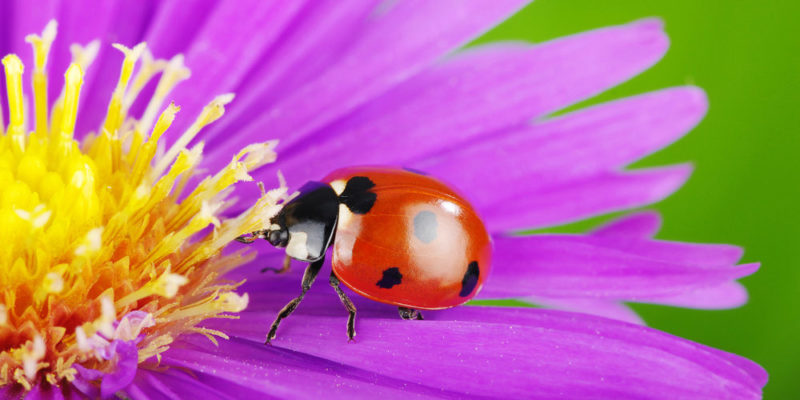
- Asian ladybug (Harmonia axyridis). This insect native to Asia was introduced to Europe, North America and South America for the biological control of aphids. It later became a pest that has put native species in check.
- Parrot (Myiopsitta monachus). It is a bird native to Argentina, Bolivia, Uruguay, Paraguay and Brazil, but it was exported to the United States and Europe as a pet. Today it is found wild in many large cities.
References
- National inventory of species of Chile. (sf). exotic species. Ministry of the Environment of Chile. Species
- Richmond, E. (March 20, 2023). Exotic Species. Animal Sciences. Encyclopedia.
- Rafferty, J.P. (March 5, 2023). Invasive species. Encyclopedia Britannica. Britannica
- World Wildlife Fund Chile. (June 5, 2021). Native, Endemic and Exotic: three important concepts that you should know. WWF
- Crees, JJ and Turvey, S.T. (2015). What constitutes a 'native' species? Insights from the Quaternary faunal record. biological conservation186: 143-148. Doi.org
- Mexican Biodiversity. (March 13, 2023). Distribution of species. National Commission for the Knowledge and Use of Biodiversity. Biodiversity
- Mexican Biodiversity. (January 20, 2023). Invasive alien species. National Commission for the Knowledge and Use of Biodiversity. Biodiversity
- Ministry of Environment and Sustainable Development. (sf). What are invasive alien species? Official Portal of the Argentine State. Argentina.gob.ar
- Center for Invasive Species and Ecosystem Health. (November 11, 2010). Norway Maple. Invasive
- (2022) Ambystoma tigrinum: Eastern Tiger Salamander. University of California, Berkeley, CA, USA. Retrieved on April 10, 2023 from Anphibiaweb
- Secretariat of Environment and Natural Resources. (December 7, 2016). Agreement that determines the List of Invasive Exotic Species for Mexico. Encyclolife
- Bucher, EH and Aramburú, RM (2014). The parrot as an invasive species: the case of the pampas. Science Today124 (141). ScienceToday