We explain what the magical peoples are and what is the objective of this program. In addition, what are its characteristics, requirements and more.
What are the magical peoples?
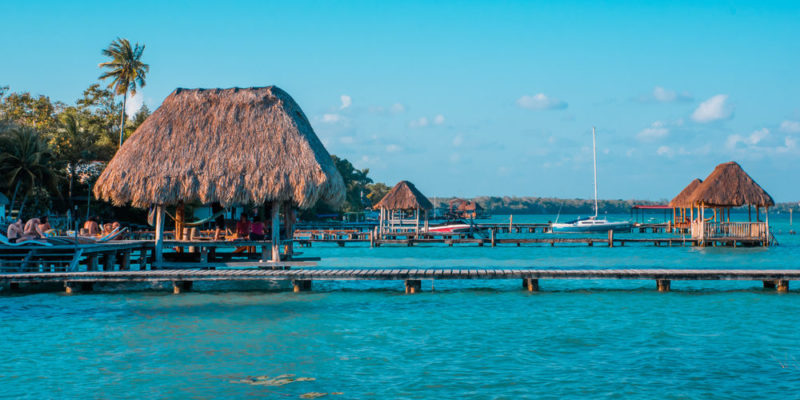
Magical peoples are a set of communities that are found throughout the territory of Mexico and that they are considered representative of the culture of the nation . They are peoples that retain the old indigenous traditions, the colonial historical heritage, inheritances of the revolutionary era and other unique attributes that make them attractive to the development of tourism.
The designation of Magic Pueblo is given since 2001 by the Ministry of Tourism of Mexico (Sectur) and encourages and rewards the conservation of traditions and Mexican historical collection through an intense tourism promotion campaign at national and international level.
In that sense, the Sectur and other government institutions monitor compliance with the requirements that peoples must present to be included or remain within this program. Thus, The designation of the Magic People is not a permanent title, but the communities must renew it periodically .
Characteristics of the Magic Peoples
Magical peoples share the following characteristics:
- They are communities that retain the cultural and natural heritage of the country.
- They are selected by the Ministry of Tourism of Mexico to promote national and international tourism.
- They retain indigenous traditions, the colonial historical heritage, inheritances of the revolutionary era and its landscapes and its biodiversity.
THE MAGIC PEOPLES PROGRAM
The Magical Pueblos Program was first implemented during the government of President Vicente Fox in 2001 . It was an idea of Eduardo Barroso Alarcón, who held at that time the position of Undersecretary of Tourism Operations.
The first town to be declared a magical town was Huasca de Ocampo in the state of Hidalgo. That same year, Mexcaltitán, Tepoztlán and Real de Catorce joined the list. The total of populations currently possessing the status of Magic Town is 132 locations and are distributed among the 32 federative entities that make up the country.
Benefits of the Magic Towns Program
The main benefits produced by the Magical Pueblos program are:
- Increase in tourism. The influx of tourists in the locations selected by the program increased more than 50 %, and this contributed more than 400 million dollars per year to the country. Tourism is a fundamental economic activity for Mexico and represents more than 7 % of its GDP.
- Employment increase. The increase of tourists who arrive at the Magic peoples generated job opportunities for communities in various areas, such as gastronomy, hotel and the sale of handicrafts.
- Revaluation of the historical and cultural heritage of Mexico. When obtaining the name of the Magic People, communities receive government support from the government to value their cultural and historical heritage. Thus, they can restore and preserve monuments, historical buildings and cultural traditions.
- Improvement in the quality of services and infrastructure. Thanks to the increase in the number of tourists they receive, the magical peoples have improved the quantity and quality of the services they offer through public and private investments. This resulted in improvements in transport infrastructure, accommodations and restaurants.
The impact of the international program has been as positive that countries such as Spain, El Salvador, Peru, Colombia, Chile and Ecuador made advisory requests to the Mexican Ministry of Tourism in order to inaugurate local variants of the program in their territories.
Location and population of the Magic Villages
The number of magical peoples of Mexico varies permanently because new locations are accepted as part of the program and others are withdrawn by not complying with the established requirements.
These peoples are located in all the federative entities of Mexico and They add up to an approximate population of 2.5 million inhabitants . The federative entities that have the largest number of magical peoples are Jalisco, Puebla and the State of Mexico, with seven each. Baja California and Tabasco, on the other hand, have only one each.
On the other hand, the Magic peoples concentrate more than 3000 hotels and are about 35 protected natural areas and 21 archaeological zones.
Many magical peoples have a majority of indigenous population: In Huautla de Jimenez, it is the 98.1 of the inhabitants; In Zozocolco de Hidalgo, 93.2 %, and in Cuetzalán del Progreso, 80.9 %.
Besides, Since its designations as magical peoples, some locations have considerably increased their population . This is the case of Chiapa de Corzo or Tulum, which in recent years increased by 52 % and 37 %, respectively.
Selection and permanence criteria in the program
The Mexican Sectur requires that the aspiring communities to the title of Magic Town meet the following requirements, among others:
- It is less than 200 kilometers from a main tourist destination.
- Formally create a Magic Pueblo Committee.
- Have a local tourism development program for the next three years.
- Guarantee health and public safety services for tourists.
- Have connectivity and communication conditions.
- Evidence the symbolic or cultural attraction of the town.
Similarly, already designated populations must annually renew their permanence in the list. To do this, they are required:
- Maintain the active magical people committee and up to date in your resolutions.
- Carry out the scheduled tourist plans and programs.
- Maintain the logistics, health and safety services necessary to protect tourists.
- Increase the quantity and quality of hotel and gastronomic offer.
- Guarantee the operation of a statistical information system.
If a town does not meet some of these characteristics, it can lose its category of magical people and be removed from the program.
Criticism of the program
The greatest criticisms that the Magical Peoples program has received are:
- Its inequality in territorial distribution. The program has been criticized that the selection of the magical peoples has privileged certain regions of the country and set aside many other locations with equal or greater tourist potential. This has led to some states or regions to have a greater concentration of magical peoples, while other areas were practically not considered.
- The impact on cultural authenticity. The tourist improvement in some magical villages has generated concern about the loss of cultural authenticity and excessive commodification of local traditions. These criticisms argue that the massive influx of tourists can lead to an adaptation of cultural expressions to satisfy visitors, which could alter the original essence of community culture.
- The lack of adequate infrastructure. Some magical peoples have experienced a significant increase in the number of visitors without the infrastructure necessary to meet the demand. This resulted in problems linked to waste treatment, water scarcity and some inefficient public services.
- The environmental impact. Certain criticisms suggest that the increase in tourism can have a negative impact on the local natural environment. The arrival of tourists, the construction of infrastructure and the lack of regulations contributed to the environmental degradation of the environment of some communities.
- The economic dependence of tourism. In some cases, the local economy of the Magic peoples became very dependent on tourism, which can generate economic difficulties if there is a decrease in the influx of visitors or in crisis situations as happened with the Covid-19 pandemic.
- The lack of follow -up and continuous support. The lack of continuous monitoring and support by the Government in the development and promotion of magical peoples has been criticized after receiving the designation. Some peoples have reported difficulties in accessing resources and advice, which has limited their ability to make the most of the program’s potential.
- The increase in insecurity. The greatest circulation of people in the Magical Peoples also produced that the acts of insecurity increased. Many criticisms suggest that these peoples, who were calm and did not have those problems, began to suffer more and more robberies, traffic accidents, alcohol consumption and drugs, among others.
Continue with:
References
- Equihua Elias, G., Messina Fernandez, SR, Ramírez-Silva, JP (2015). Magical peoples: a critical vision of its impact on the sustainable development of tourism. New Time Fountain Magazine, 6(22).
- Government of Mexico. (2020). Magical peoples of Mexico. Tourism Secretariat. https://www.gob.mx/
- Government of Mexico, Ministry of Tourism and Magical Peoples. (2019). National Strategy of Magical Peoples. http://system.sectur.gob.mx/
- Millán, H. and Cota, C. (2021). Magical peoples: poverty and inequality. Tourist dimensions, 5(8), 63-86. https://doi.org/
- Visit Mexico (SF). Magical peoples. https:/visitmexico.com/